MVP Solution for Startups: A Complete Guide to Building and Launching Your Startup Idea — A Minimum Viable Product (MVP)
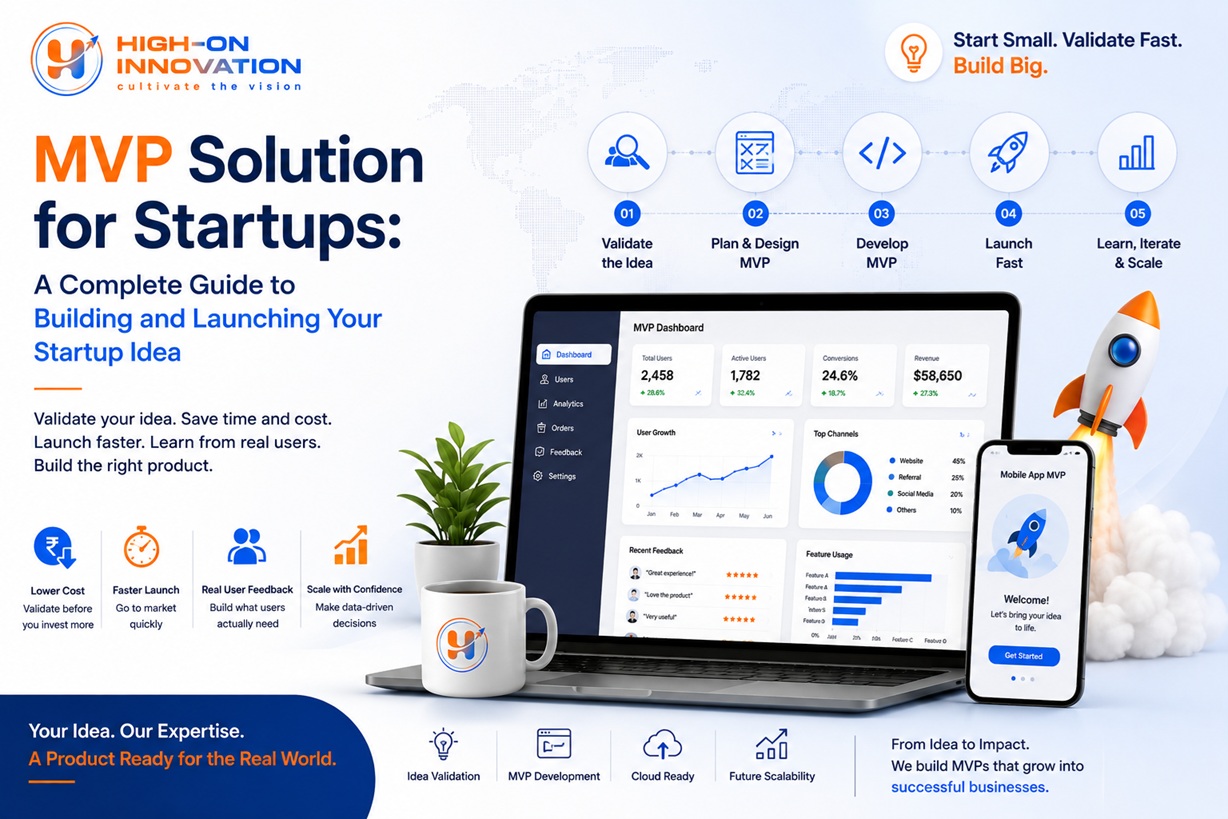
Launching a startup idea requires more than a great concept. Founders need to validate market demand, understand customer needs, control development costs, and reach the market quickly. This is where an MVP solution for startups becomes valuable.
A Minimum Viable Product (MVP) allows startups to build a functional version of their product with the essential features required to solve a specific customer problem. Instead of investing heavily in a complete product from day one, founders can launch an MVP, collect real-world feedback, and improve the product based on actual user behavior.
For startups operating with limited budgets and resources, MVP development can reduce unnecessary investment while creating a practical path from idea validation to product-market fit.
What Is an MVP for a Startup?
An MVP (Minimum Viable Product) is an initial version of a software product containing the core features necessary to deliver value to early users and test a business idea in the real market.
An MVP is not simply a prototype or incomplete application. A properly developed MVP should be usable, testable, and capable of generating meaningful feedback.
For example, a startup planning to build an online marketplace does not necessarily need to develop every marketplace feature immediately. Its MVP could initially focus on:
User registration
Product or service listings
Search
Basic transactions
Order management
Customer notifications
Basic administration
Additional functionality can be introduced after validating demand.
Why Do Startups Need an MVP Solution?
Building a complete software product before understanding whether customers actually need it can create significant financial and operational risks.
An MVP development solution for startups helps reduce these risks.
1. Validate Your Business Idea
An MVP enables founders to put their idea in front of real users and determine whether it solves a genuine problem.
Instead of relying entirely on assumptions, startups can collect real customer feedback.
2. Reduce Initial Development Costs
Developing every planned feature can require a significant investment. An MVP focuses on the features that are essential to the initial business objective.
This allows startups to test their concept before committing to a larger product development budget.
3. Launch Faster
A smaller feature set generally allows the development team to build and launch the product faster.
This gives startups an opportunity to enter the market early, learn from customers, and iterate.
4. Understand Customer Behavior
Real users often interact with products differently from what founders initially expect.
Analytics, feedback, user interviews, and product usage data can reveal which features customers actually value.
5. Attract Investors
A working MVP can demonstrate more than a presentation or business plan.
An MVP may provide evidence of:
Product functionality
Customer interest
User acquisition
Engagement
Revenue potential
Market demand
These insights can strengthen a startup's fundraising story.
MVP vs. Prototype: What's the Difference?
A prototype is primarily used to demonstrate or test a product concept, user interface, or workflow.
An MVP software product, on the other hand, is designed for real users and provides enough functionality to solve an initial problem.
PrototypeMVPTests an idea or designTests a real productMay not be fully functionalFunctional for core use casesOften used internallyReleased to early customersFocuses on concept validationFocuses on market validationUsually short-termCan evolve into the full product
Types of MVP Solutions for Startups
Different startup ideas require different MVP approaches.
Web Application MVP
Suitable for SaaS platforms, marketplaces, B2B applications, booking systems, dashboards, and online services.
Mobile App MVP
Useful for startups where customers primarily interact through smartphones, such as marketplaces, social platforms, delivery applications, travel applications, and on-demand services.
SaaS MVP
A SaaS MVP development approach focuses on delivering a core cloud-based solution that customers can access through the internet.
AI-Powered MVP
For startups built around artificial intelligence, the MVP may combine AI models with a simple interface and workflow automation to validate whether users find the AI capability valuable.
Marketplace MVP
A marketplace MVP connects buyers and sellers around the core transaction while postponing advanced features until the business model is validated.
Key Features of a Successful Startup MVP
The features of an MVP depend on the startup's business model. However, most successful MVPs should focus on a few fundamental areas.
User Management
Basic registration, authentication, profiles, and account management.
Core Product Functionality
The primary feature that solves the customer's problem should be the central focus of the MVP.
Payment Integration
If the business model requires online transactions, secure payment functionality may be included in the initial release.
Notifications
Email, SMS, push notifications, or other relevant communication channels can keep users informed.
Admin Dashboard
An administrative interface helps founders monitor users, transactions, content, and business activity.
Analytics
Product analytics can help the startup understand user engagement, conversion, retention, and feature usage.
MVP Development Process for Startups
A structured MVP development process helps reduce development risks and keep the project focused.
Step 1: Define the Problem
Clearly identify the customer problem your startup wants to solve.
Step 2: Identify the Target Users
Define who will use the product and what their primary needs are.
Step 3: Define the Core Value Proposition
Determine what your product must do exceptionally well to deliver its initial value.
Step 4: Prioritize Features
Separate features into:
Must-have
Should-have
Future features
Only the essential functionality should generally be included in the first MVP release.
Step 5: Design the User Experience
Create wireframes and UI/UX designs for the primary customer journey.
Step 6: Develop the MVP
The development team builds the core product using an appropriate technology stack.
Step 7: Test the Product
Conduct functional, usability, performance, and security testing before launch.
Step 8: Launch to Early Users
Release the MVP to a controlled group of target customers.
Step 9: Collect Feedback and Improve
Analyze user feedback and product data to determine what should be improved, removed, or added.
How Much Does MVP Development Cost?
The cost of MVP development depends on several factors, including:
Product complexity
Number of platforms
Feature requirements
UI/UX complexity
Third-party integrations
AI functionality
Security requirements
Development team location
Testing requirements
A simple SaaS MVP may require significantly less investment than a complex fintech, healthcare, marketplace, or AI platform.
Instead of choosing a development budget first, startups should define the minimum product required to validate the business hypothesis and estimate development requirements around it.
Common MVP Development Mistakes
Startups can make several mistakes when developing their first product.
Building Too Many Features
One of the biggest mistakes is trying to create the complete product during the MVP stage.
Ignoring User Experience
An MVP should be simple, but it should not feel unusable or confusing.
Building Without Market Validation
Technology should support a validated business problem rather than become the starting point for an untested idea.
Choosing Technology Without a Growth Plan
The MVP technology stack should support future development without creating unnecessary complexity.
Ignoring Analytics
Without product analytics, founders may struggle to understand how customers use the MVP.
How High-On Innovation Helps Startups Build MVPs
High-On Innovation (HOI) works with startups to transform software ideas into functional, scalable MVP products.
Our MVP development services for startups can cover the complete product journey, including:
Startup idea validation
MVP strategy
Product requirements analysis
UI/UX design
Web application development
Mobile app development
SaaS MVP development
AI-powered MVP development
Backend and API development
Cloud deployment
Third-party integrations
Quality assurance and testing
Post-launch improvements
HOI focuses on building an MVP around the startup's core business objective rather than simply developing a list of features.
The goal is to create a product that can launch quickly, collect meaningful market feedback, and evolve into a scalable solution.
MVP to Full Product: What's Next?
Launching an MVP is only the beginning.
After launch, startups should measure:
User acquisition
Activation rate
Engagement
Retention
Conversion
Customer feedback
Revenue
Customer acquisition cost
Feature adoption
These insights can help founders determine whether to improve the MVP, change the business model, introduce new features, or pivot.
A successful MVP therefore becomes a foundation for continuous product development.
Build Your Startup MVP With High-On Innovation
Turning an idea into a software product requires the right combination of product strategy, technology, design, and development.
High-On Innovation helps startups build MVP solutions that transform ideas into functional digital products while keeping the initial development focused and scalable.
Whether you are planning a SaaS platform, mobile application, marketplace, AI product, B2B software, or custom business application, HOI can help you define the MVP scope, develop the product, launch it, and prepare it for future growth.
Shailendra Ram leads project execution and technology delivery at High-On Innovation, managing development teams, project workflows, client communications, and solution implementation. With hands-on experience across web, mobile, cloud, and enterprise applications, he ensures projects are delivered efficiently while meeting business objectives and technical standards. His expertise includes software development lifecycle management, project delivery, technology implementation, agile methodologies, and client success.
Comments
Loading comments…
Latest Market Trends
Sep 9, 2026
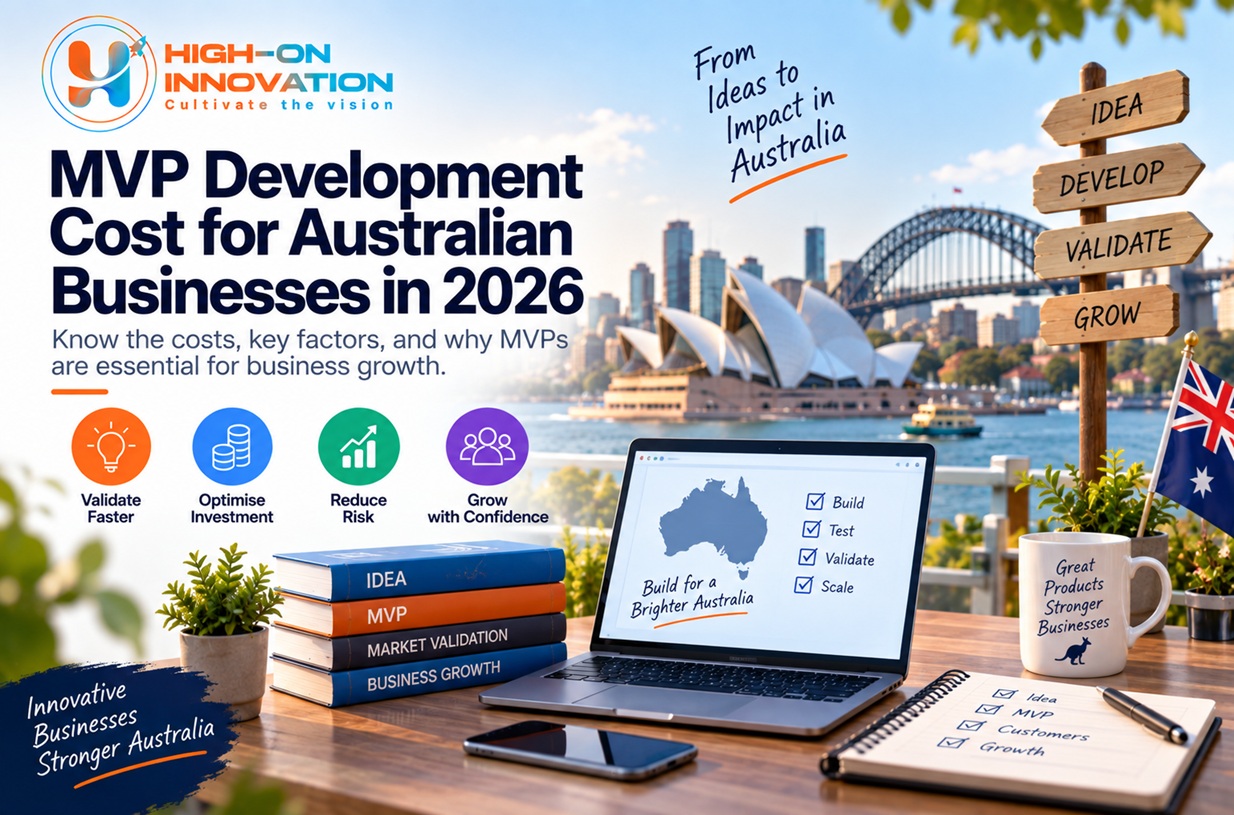
MVP Development Cost for Australian Businesses in 2026
A simple customer portal, booking application, SaaS dashboard, marketplace, AI-powered platform, fintech product, healthcare application, or enterprise workflow system can all be described as an "MVP", but their development requirements can be dramatically different.

Sep 3, 2026
How to Choose an MVP Development Company for Your Startup
Choosing the right MVP development company can have a major impact on your startup's first product launch. The right development partner does more than write code. They help translate your business idea into a focused product, identify technical risks, prioritize features, and create an MVP that can be tested with real users.
Sep 8, 2026
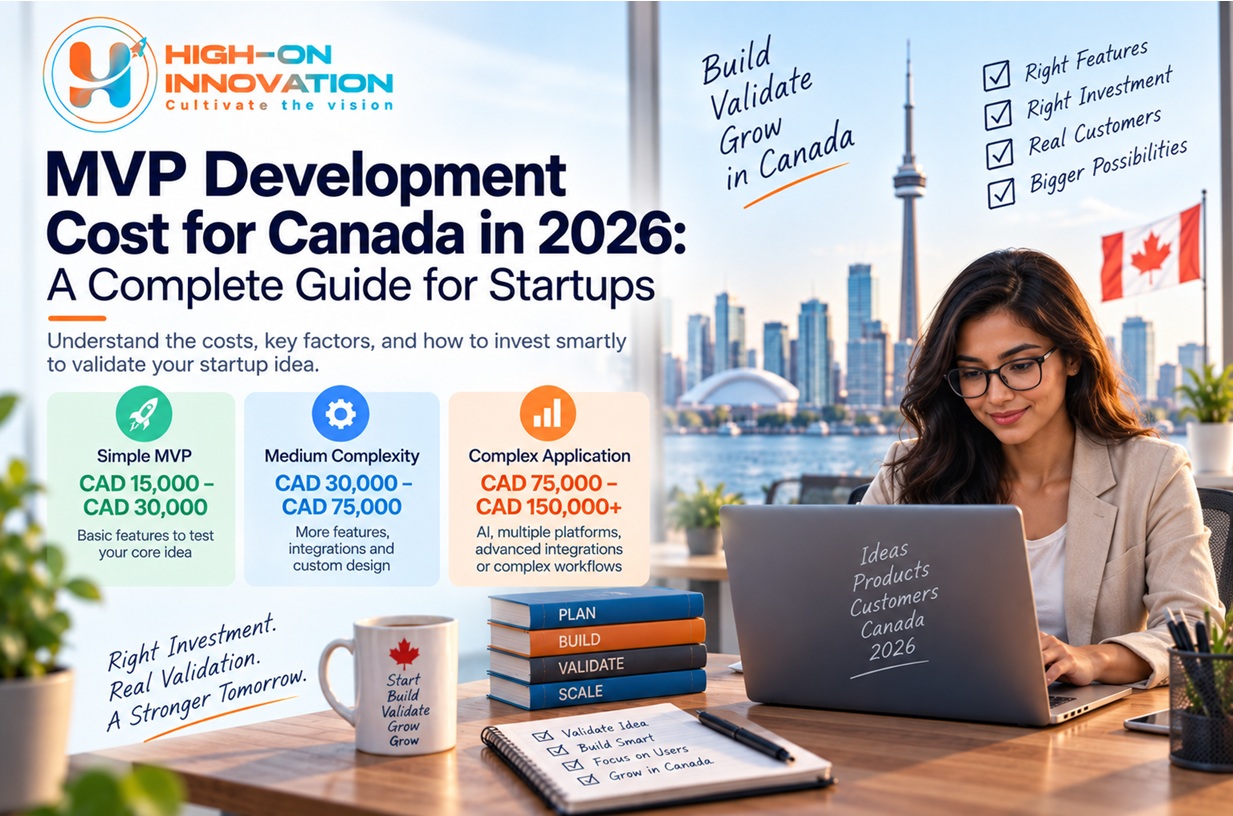
MVP Development Cost for Canadian Businesses in 2026: Complete Guide to Pricing, Features and Process
Discover MVP development cost Canada in 2026, including startup MVP cost, development factors, timelines, features, technology, compliance, and how to choose the right MVP development company.
Popular Post
MVP Development Cost for Australian Businesses in 2026
A simple customer portal, booking application, SaaS dashboard, marketplace, AI-powered platform, fintech product, healthcare application, or enterprise workflow system can all be described as an "MVP", but their development requirements can be dramatically different.
How to Choose an MVP Development Company for Your Startup
Choosing the right MVP development company can have a major impact on your startup's first product launch. The right development partner does more than write code. They help translate your business idea into a focused product, identify technical risks, prioritize features, and create an MVP that can be tested with real users.
MVP Development Cost for Canadian Businesses in 2026: Complete Guide to Pricing, Features and Process
Discover MVP development cost Canada in 2026, including startup MVP cost, development factors, timelines, features, technology, compliance, and how to choose the right MVP development company.
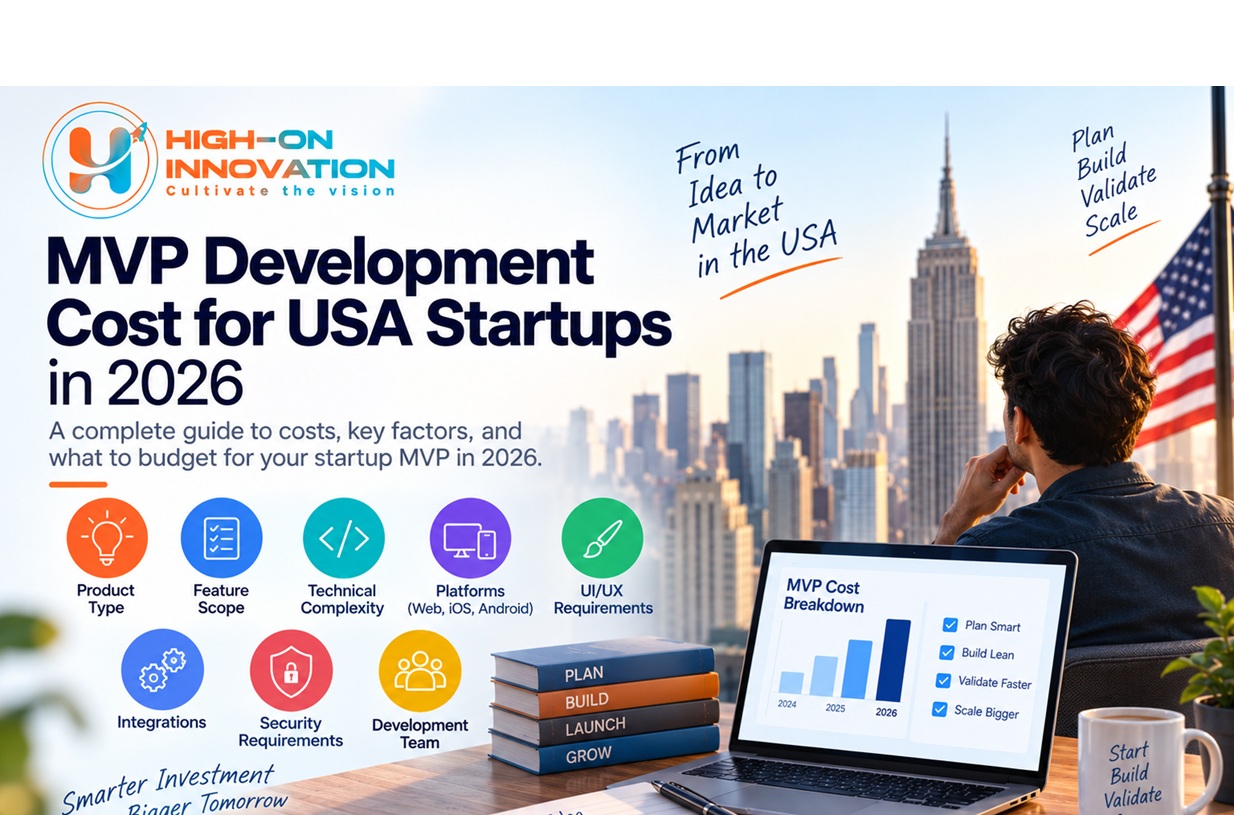
MVP Development Cost for USA Startups in 2026
An MVP, or Minimum Viable Product, gives founders a way to turn an idea into a usable product, launch it with real users, collect feedback, and understand whether the market actually wants the solution.