How to Choose an MVP Development Company for Your Startup
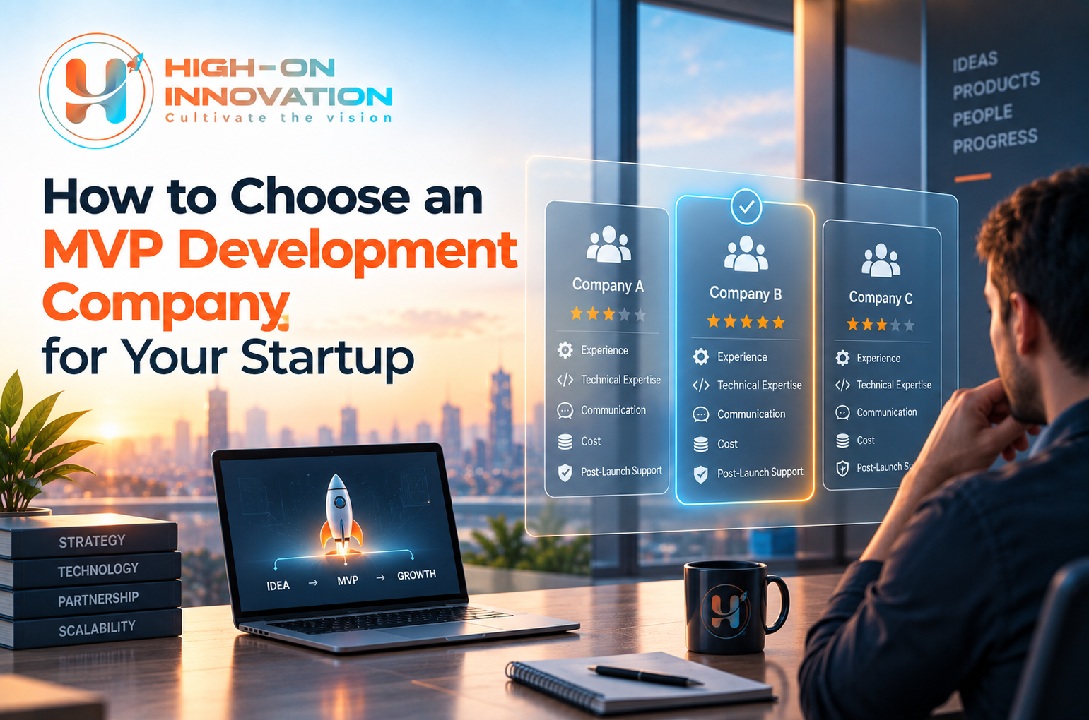
Choosing the right MVP development company can have a major impact on your startup's first product launch. The right development partner does more than write code. They help translate your business idea into a focused product, identify technical risks, prioritize features, and create an MVP that can be tested with real users.
For startups, the decision is especially important because resources are often limited and the first product needs to generate meaningful market feedback without unnecessary development costs.
This guide explains what to evaluate when choosing an MVP development partner and the questions you should ask before signing a contract.
What Does an MVP Development Company Do?
An MVP development company helps startups turn a product concept into a functional minimum viable product.
Depending on the provider and project requirements, the engagement may include:
Product discovery
Business and technical analysis
MVP strategy
UX/UI design
Feature prioritization
Technology consulting
Frontend development
Backend development
Mobile or web development
Quality assurance
Deployment
Post-launch support
A strong partner should be involved in the product decision-making process, not simply receive a specification and start coding.
If you're still exploring what an MVP engagement involves, our guide to [MVP development for startups] provides a broader overview of the services and approach involved.
8 Factors to Consider When Choosing an MVP Development Company
1. Relevant Startup and MVP Experience
Look beyond the number of years a company has been developing software.
Ask whether they have experience building MVPs for startups and whether they understand the constraints involved in an early-stage product.
Startup MVP development often requires balancing:
Limited budgets
Short launch windows
Uncertain requirements
Rapid experimentation
Changing priorities
Future scalability
A company experienced with enterprise software may be technically capable but may not necessarily follow the lean, validation-focused approach an early-stage startup requires.
2. Product Discovery and Strategy Approach
A development partner should be willing to understand the problem before discussing implementation.
During discovery, they should help clarify:
Target users
Core problem
Value proposition
User journeys
Essential features
Technical requirements
MVP scope
Be cautious if a provider immediately gives you a development quote without asking meaningful questions about your product.
A good MVP starts with what needs to be validated, not simply what needs to be built.
3. Ability to Prioritize the MVP Scope
One of the biggest advantages of working with an experienced MVP development company is having someone challenge unnecessary requirements.
Your initial product idea may contain dozens of features. That does not mean all of them belong in version one.
The development partner should help categorize features based on:
User value
Business importance
Technical complexity
Development effort
Dependencies
Validation requirements
The result should be a focused MVP scope that supports your primary business objective.
4. Technical Expertise
Technology should match the product rather than be selected simply because it is popular.
Evaluate whether the development team has experience with the technologies your product requires, such as:
React and Next.js
Node.js
Python
Flutter
React Native
Cloud platforms
APIs
Databases
AI and machine learning services
The right technology stack depends on the product's functionality, scalability requirements, integrations, security considerations, and long-term roadmap.
A capable partner should explain why a particular stack is appropriate instead of simply presenting a list of technologies.
5. Portfolio and Relevant Case Studies
Review previous projects carefully.
Don't only look at screenshots. Try to understand:
What problem the product solved
What the original MVP scope was
How the product was developed
What technologies were used
What challenges were encountered
Whether the product evolved after launch
Relevant experience is more valuable than an impressive portfolio containing unrelated projects.
If you're building a SaaS MVP, for example, experience with SaaS products can be more useful than a large portfolio of unrelated websites.
6. Development Process and Communication
Your development partner should have a clearly defined workflow.
Ask how they handle:
Project communication
Sprint planning
Progress reporting
Requirements changes
Design approvals
Testing
Bug fixes
Project documentation
Launch preparation
Communication becomes particularly important when your internal team and development partner are working across different countries or time zones.
A transparent process gives founders better visibility into progress and potential risks.
7. Pricing and Contract Transparency
Price matters, but the lowest quotation should not automatically win.
An unusually low estimate can sometimes indicate that important activities have been excluded from the proposal.
Before comparing quotes, determine whether they include:
Product discovery
UX/UI design
Development
QA
Project management
Deployment
Third-party integrations
Documentation
Post-launch support
It's also important to understand the pricing model, payment milestones, assumptions, and what happens when requirements change.
For a deeper financial analysis, see our guide to [MVP development cost].
8. Ownership, Security, and Post-Launch Support
Before signing an agreement, clarify who owns the resulting product and intellectual property.
Ask about:
Source-code ownership
Intellectual property rights
Repository access
Documentation
Third-party licenses
Data security
Confidentiality
Deployment credentials
Maintenance responsibilities
You should also understand what happens after launch.
An MVP is normally the beginning of product development. Your startup may need bug fixes, performance improvements, new features, infrastructure management, and future development.
Questions to Ask an MVP Development Company
Before selecting a provider, ask questions that reveal how they actually work.
Product and Strategy
How do you determine what belongs in an MVP?
Do you provide product discovery?
How do you validate assumptions?
How do you handle changing requirements?
Development
What technology stack would you recommend and why?
How do you manage development milestones?
How is QA handled?
How frequently will we receive working builds?
Commercial
How is the project estimated?
What is included in the proposal?
How are additional requirements priced?
What are the payment milestones?
Ownership and Support
Who owns the source code?
How is intellectual property transferred?
What documentation will we receive?
Do you provide post-launch support?
The quality of the answers can reveal as much about a provider as its portfolio.
MVP Development Company vs Freelancer: Which Should You Choose?
Both options can work, depending on your requirements.
A freelancer may be appropriate for a small, technically simple product with a limited scope. However, a more complex MVP may require multiple disciplines, including product strategy, UX/UI, frontend development, backend engineering, QA, and project management.
An MVP development company can provide a broader team and structured delivery process, which may be useful when the startup does not have an internal technical team.
The right choice depends on your product complexity, budget, timeline, and internal capabilities.
Red Flags to Watch For
Before choosing an MVP development partner, watch for these warning signs:
Unrealistically Low Quotes
A very low estimate may exclude critical work or underestimate complexity.
Guaranteed Launch Dates Without Discovery
A credible timeline should be based on defined requirements. Promising a fixed launch date before understanding the product can be a warning sign.
No Clear Development Process
If a provider cannot explain how requirements, design, development, testing, and deployment are managed, proceed carefully.
Weak Communication
Slow responses and unclear reporting can become significant problems during development.
No Source-Code or IP Clarity
Ownership should be explicitly addressed in the agreement before development begins.
How to Compare MVP Development Companies
Instead of comparing companies only by hourly rate, create a structured evaluation framework.
Evaluation Factor
What to Look For
MVP experience
Relevant startup projects
Product strategy
Discovery and scope definition
Technical expertise
Appropriate technology capabilities
Portfolio
Relevant case studies
Process
Clear development methodology
Communication
Regular and transparent reporting
Pricing
Detailed, understandable proposal
Ownership
Clear IP and source-code terms
Support
Post-launch maintenance options
This makes the selection process more objective and reduces the risk of choosing a provider based solely on price.
Frequently Asked Questions
1. How do I choose the right MVP development company?
Evaluate the company's startup experience, product discovery process, technical expertise, portfolio, communication, pricing transparency, ownership terms, and post-launch support. Choose a partner that understands your business objective rather than simply offering development resources.
2. How much does it cost to hire an MVP development company?
The cost varies according to product complexity, features, technology, design requirements, integrations, development team, and project scope. A detailed requirements and scope assessment is usually necessary to produce a reliable estimate.
3. How long does it take to build an MVP with a development company?
Many MVP projects take several weeks to several months. The timeline depends on scope, complexity, platform requirements, integrations, testing, and other project-specific factors. See our guide to the [MVP development timeline] for a detailed breakdown.
4. Should I hire an MVP development company or a freelancer?
A freelancer can work well for a relatively simple MVP with limited requirements. A development company may be more suitable when the project requires multiple disciplines, structured project management, complex integrations, or ongoing development support.
5. What should be included in an MVP development contract?
The agreement should clearly define the project scope, deliverables, milestones, pricing, payment terms, intellectual property ownership, source-code access, confidentiality, responsibilities, change-management process, warranties, and post-launch support.
Conclusion
Choosing an MVP development company should not be treated as a simple price comparison. Your development partner can influence the product's scope, technical foundation, launch timeline, development experience, and ability to respond to real user feedback.
Look for a team that combines product thinking, technical expertise, transparent communication, realistic planning, and a clear understanding of startup constraints.
High On Innovation works with startups to transform product ideas into focused, functional MVPs through product discovery, UX/UI design, software development, quality assurance, and launch support.
Have an MVP idea but aren't sure which development partner is right for you? Talk to High On Innovation to discuss your requirements, technical needs, and product goals with an experienced MVP development team.
Harsit Gupta is the Founder of High-On Innovation and is responsible for shaping the company's vision, business model, growth strategy, and market expansion initiatives. He specializes in identifying emerging opportunities, driving innovation, and helping businesses navigate digital transformation in a rapidly evolving technology landscape. His expertise includes business strategy, digital innovation, startup growth, market positioning, and future-focused technology adoption.
Comments
Loading comments…
Latest Market Trends
Sep 8, 2026
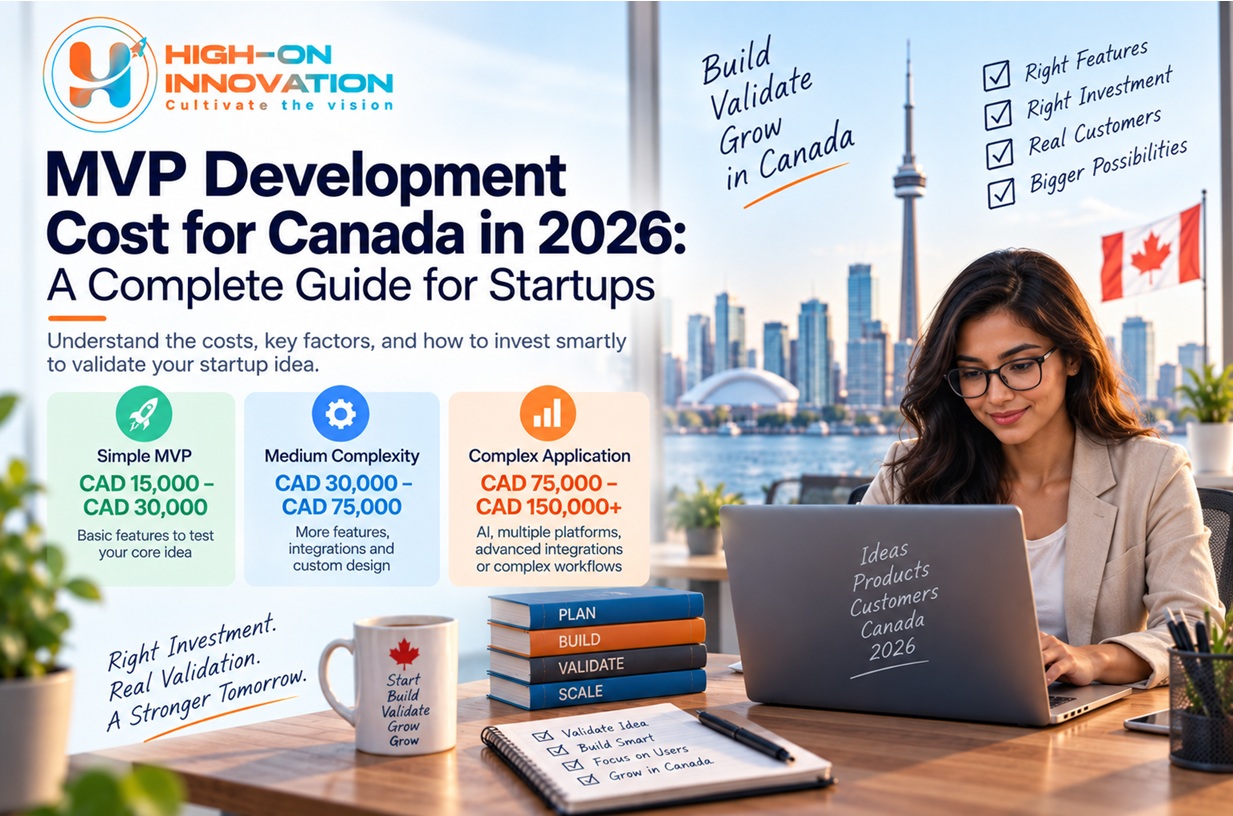
MVP Development Cost for Canadian Businesses in 2026: Complete Guide to Pricing, Features and Process
Discover MVP development cost Canada in 2026, including startup MVP cost, development factors, timelines, features, technology, compliance, and how to choose the right MVP development company.
Sep 8, 2026
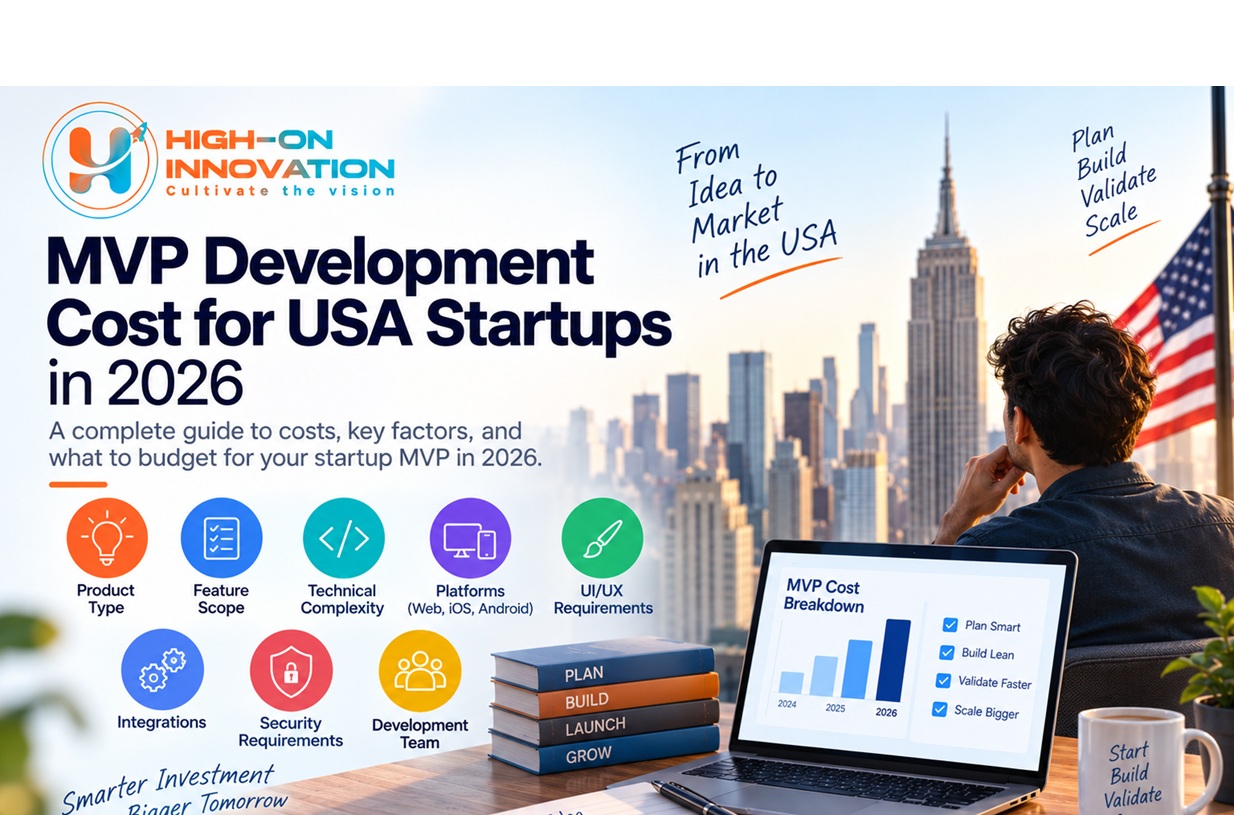
MVP Development Cost for USA Startups in 2026
An MVP, or Minimum Viable Product, gives founders a way to turn an idea into a usable product, launch it with real users, collect feedback, and understand whether the market actually wants the solution.
Sep 7, 2026
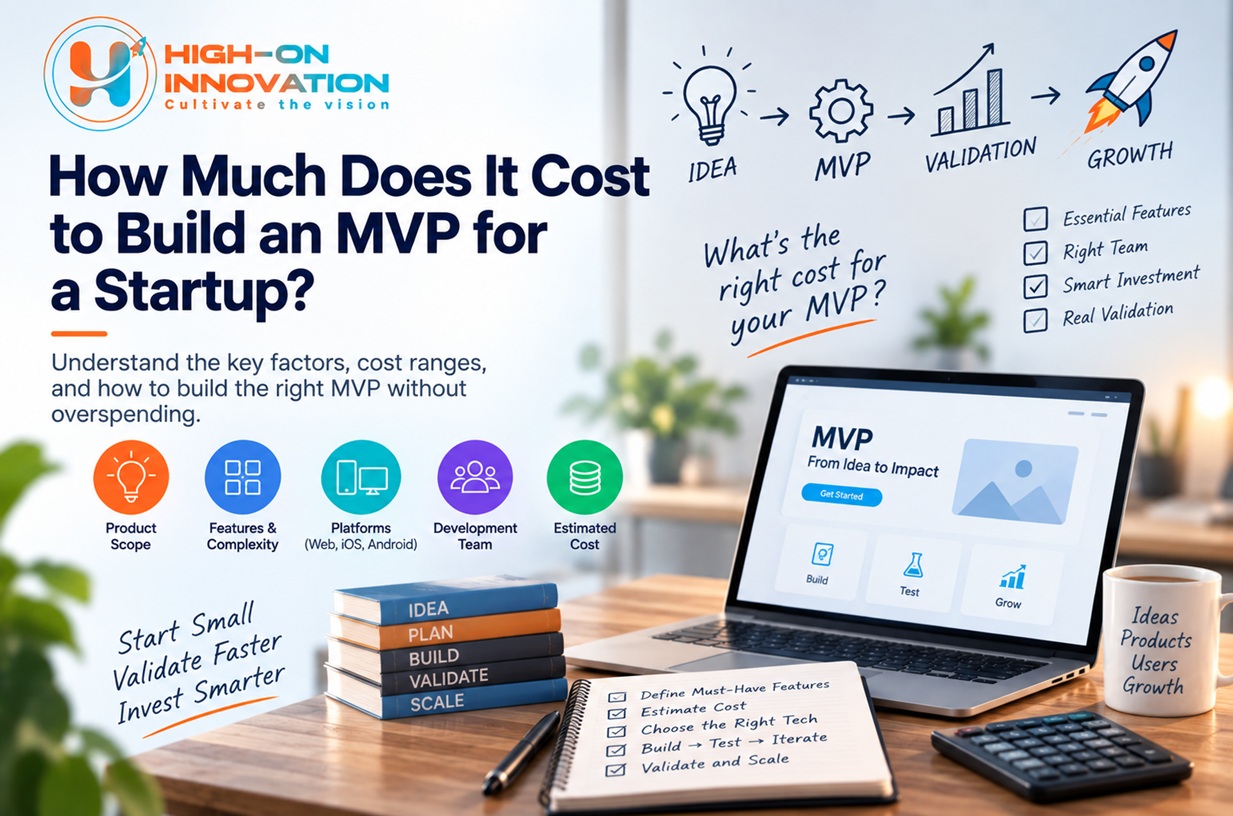
How Much Does It Cost to Build an MVP for a Startup?
An MVP, or Minimum Viable Product, is the first usable version of a product that contains enough functionality to solve a specific customer problem. The final product might eventually include loyalty programs, AI recommendations, advanced analytics, delivery optimization, multiple payment methods, promotional tools, and dedicated mobile applications.
Popular Post
MVP Development Cost for Canadian Businesses in 2026: Complete Guide to Pricing, Features and Process
Discover MVP development cost Canada in 2026, including startup MVP cost, development factors, timelines, features, technology, compliance, and how to choose the right MVP development company.
MVP Development Cost for USA Startups in 2026
An MVP, or Minimum Viable Product, gives founders a way to turn an idea into a usable product, launch it with real users, collect feedback, and understand whether the market actually wants the solution.
How Much Does It Cost to Build an MVP for a Startup?
An MVP, or Minimum Viable Product, is the first usable version of a product that contains enough functionality to solve a specific customer problem. The final product might eventually include loyalty programs, AI recommendations, advanced analytics, delivery optimization, multiple payment methods, promotional tools, and dedicated mobile applications.
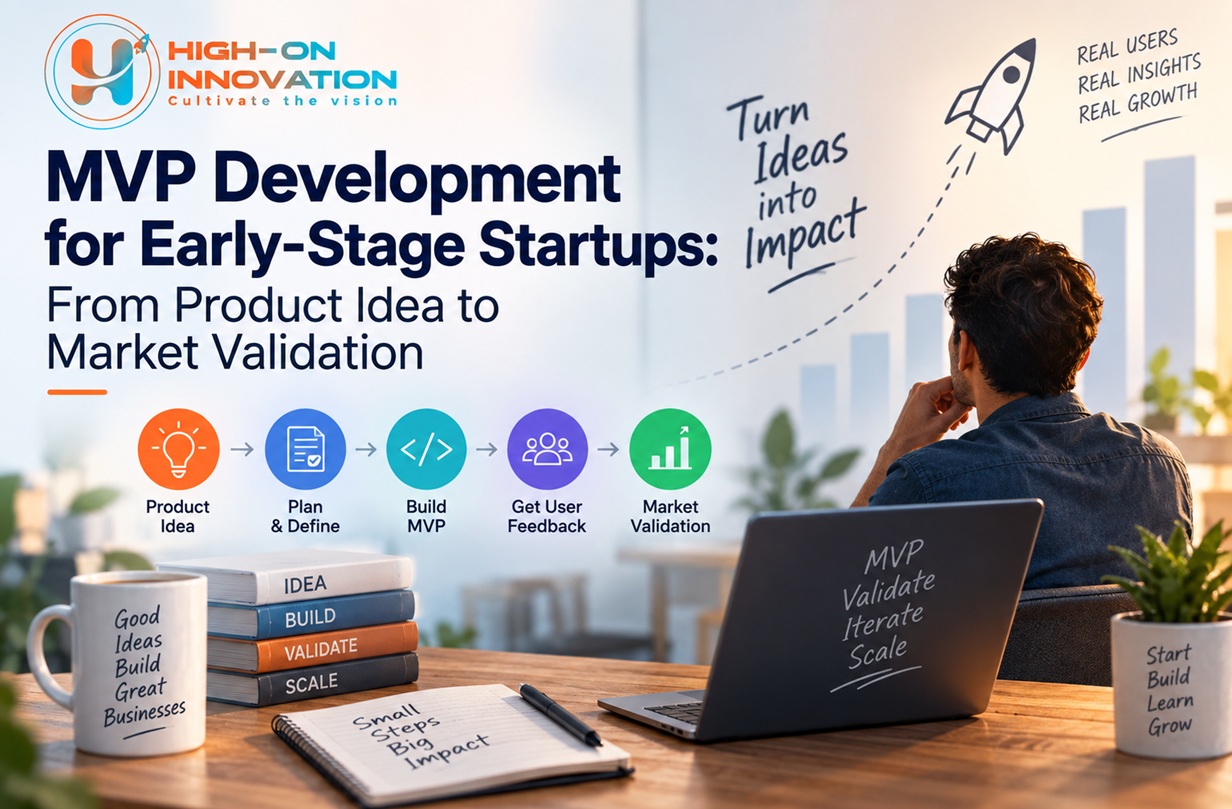
MVP Development for Early-Stage Startups: From Product Idea to Market Validation
Learn how MVP development for early-stage startups works, what to include in an MVP, development costs, technology, testing, launch, and how to validate your startup idea.