CRM Automation for Manufacturing: The Complete Guide to Streamlining Sales, Customer Relationships, and Business Growth
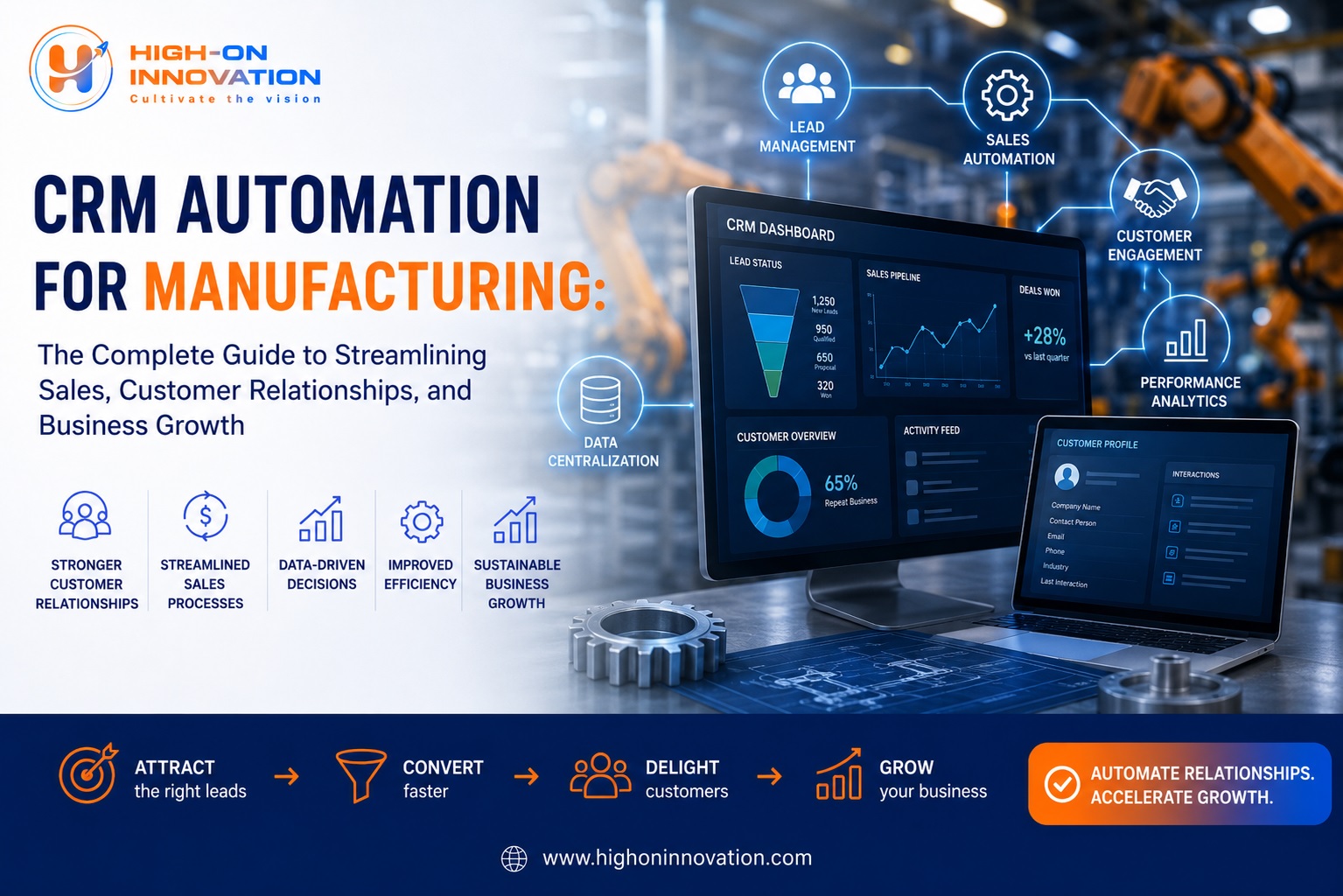
Manufacturing companies have traditionally focused on improving production efficiency, inventory management, and supply chain operations. While these areas remain essential, customer relationship management has become equally important in today's competitive market.
Manufacturers are expected to respond quickly to inquiries, generate accurate quotations, manage distributors, support dealers, coordinate after-sales service, and build long-term customer relationships. Relying on spreadsheets, emails, and manual follow-ups often leads to missed opportunities, delayed responses, and inconsistent customer experiences.
CRM automation helps manufacturers overcome these challenges by automating sales processes, customer communication, quotation management, follow-ups, and reporting. Instead of spending valuable time on repetitive administrative work, sales and customer service teams can focus on building stronger relationships and closing more business.
Whether you're a manufacturing startup, an SME, a mid-sized company, or a large enterprise, CRM automation provides the foundation for sustainable growth and improved customer satisfaction.
What Is CRM Automation for Manufacturing?
CRM (Customer Relationship Management) automation is the use of software, Artificial Intelligence (AI), and workflow automation to streamline customer-related activities throughout the sales and service lifecycle.
Instead of manually tracking customer interactions, CRM automation manages:
Lead capture
Lead assignment
Customer communication
Quotation generation
Sales follow-ups
Order tracking
Customer support
Dealer and distributor management
Sales reporting
Customer analytics
By automating these processes, manufacturers improve efficiency while delivering a better customer experience.
Why Manufacturers Need CRM Automation
Manufacturing sales cycles are often longer and more complex than those in many other industries.
Sales teams may need to:
Handle technical product inquiries
Prepare customized quotations
Coordinate with engineering teams
Track customer approvals
Manage distributors and dealers
Schedule follow-up meetings
Monitor production status
Support after-sales service
Managing these activities manually becomes increasingly difficult as the business grows.
CRM automation creates a centralized system that keeps every customer interaction organized and accessible.
Common Challenges Without CRM Automation
Manufacturers relying on manual processes often experience:
Missed sales opportunities
Slow customer response times
Lost customer information
Inconsistent follow-ups
Delayed quotation approvals
Limited sales visibility
Duplicate customer records
Poor coordination between sales and production
Difficulty forecasting sales
Inaccurate reporting
These issues directly impact revenue and customer satisfaction.
Key Features of Manufacturing CRM Automation
Automated Lead Capture
Customer inquiries from websites, trade shows, referrals, email campaigns, and digital advertising are automatically captured and entered into the CRM.
This eliminates manual data entry and ensures no opportunity is overlooked.
Intelligent Lead Assignment
New leads are automatically assigned based on:
Geographic region
Product line
Industry
Sales representative
Customer type
Automation ensures faster responses and balanced workloads.
Sales Pipeline Management
CRM automation provides visibility into every stage of the sales process, from the initial inquiry to order confirmation.
Managers can easily identify stalled opportunities and prioritize high-value prospects.
Automated Follow-Ups
The system schedules reminders, emails, and notifications to ensure prospects and customers receive timely communication.
Consistent follow-ups increase conversion rates and strengthen customer relationships.
Quotation Management
Manufacturers frequently prepare customized quotations based on customer requirements.
CRM automation simplifies this process by:
Storing pricing information
Managing product catalogs
Generating quotation templates
Routing quotations for approval
Tracking customer responses
This reduces turnaround time while improving accuracy.
Customer Communication Tracking
Every interaction—including emails, phone calls, meetings, and support requests—is stored in a centralized customer record.
This provides complete visibility into customer relationships.
Sales Forecasting
AI-powered CRM platforms analyze historical sales performance, customer behavior, and market trends to forecast future revenue.
Sales managers can make better decisions based on real-time insights.
Dealer and Distributor Management
Manufacturers working through channel partners can automate:
Dealer onboarding
Distributor communication
Order tracking
Performance reporting
Incentive management
This strengthens partner relationships and improves operational efficiency.
Customer Support Automation
CRM systems automate:
Service ticket creation
Case assignment
Escalations
Status updates
Resolution tracking
This improves response times and customer satisfaction.
Benefits of CRM Automation for Manufacturers
Faster Lead Response
Automatic lead assignment and notifications reduce response times and increase the likelihood of converting inquiries into customers.
Higher Sales Productivity
Sales representatives spend less time on administrative work and more time engaging with prospects and customers.
Better Customer Experience
Timely communication, faster quotations, and organized customer information create a more professional buying experience.
Improved Collaboration
Sales, production, finance, customer support, and management teams all work from the same customer information.
This reduces communication gaps and improves coordination.
Better Sales Forecasting
Real-time dashboards provide accurate sales projections that support production planning and inventory management.
Stronger Customer Retention
Automation helps maintain consistent communication after the sale through service reminders, support follow-ups, and account management.
Long-term relationships become easier to maintain.
Increased Revenue
Better lead management, faster follow-ups, improved visibility, and stronger customer relationships contribute to higher conversion rates and repeat business.
CRM Automation Across the Manufacturing Sales Cycle
Marketing
Capture inquiries
Manage campaigns
Track lead sources
Sales
Lead qualification
Opportunity management
Quotation generation
Follow-up automation
Production
Share customer requirements
Track order status
Coordinate delivery schedules
Customer Service
Handle support requests
Manage warranty claims
Track issue resolution
Management
Monitor KPIs
Forecast sales
Measure team performance
Automation creates a connected customer journey from first contact to long-term account management.
Signs Your Manufacturing Business Needs CRM Automation
Your business may benefit from CRM automation if:
Customer information is stored in spreadsheets.
Sales follow-ups are inconsistent.
Quotations take too long to prepare.
Leads are occasionally lost.
Customer communication is difficult to track.
Sales forecasting is unreliable.
Departments lack visibility into customer activity.
Business growth is increasing administrative work.
If these challenges sound familiar, CRM automation can significantly improve operational efficiency.
Best Practices for CRM Automation Implementation
To maximize results:
Define clear sales objectives.
Standardize the sales process.
Integrate CRM with ERP and inventory systems.
Automate repetitive customer interactions.
Train employees thoroughly.
Monitor sales KPIs continuously.
Optimize workflows based on performance.
CRM should become the central platform for managing customer relationships.
Why Manufacturers Choose Custom CRM Solutions
Every manufacturing business has unique products, sales processes, pricing models, approval workflows, and customer requirements.
Generic CRM software often requires businesses to adapt their operations to fit the software.
A custom CRM solution is designed around your existing workflows, integrates with production and ERP systems, and scales as your business grows. This results in better adoption, improved efficiency, and a stronger return on investment.
How HOI Helps Manufacturers Automate CRM Operations
At High On Innovation (HOI), we build CRM automation solutions specifically for manufacturing companies.
Our expertise includes:
CRM Automation
AI Automation
Workflow Automation
Manufacturing Process Automation
Inventory Management Automation
Supply Chain Automation
Production Process Automation
Custom CRM Development
ERP & Third-Party Integration
Digital Transformation Consulting
We work closely with manufacturers to understand their sales process, identify automation opportunities, and implement CRM systems that improve customer engagement, operational visibility, and revenue growth.
Frequently Asked Questions
What is CRM automation in manufacturing?
CRM automation uses software and AI to automate customer-related processes such as lead management, quotation generation, follow-ups, customer communication, sales reporting, and after-sales support.
Is CRM only for large manufacturers?
No. Manufacturers of all sizes—including startups and SMEs—can benefit from CRM automation by improving customer management and reducing manual administrative work.
Can CRM integrate with ERP systems?
Yes. Modern CRM platforms can integrate with ERP, inventory management, finance, and production systems to provide a complete view of customers and operations.
How does CRM automation improve sales?
CRM automation helps sales teams respond faster, manage opportunities more effectively, automate follow-ups, improve forecasting, and build stronger customer relationships, resulting in higher conversion rates and increased revenue.
Final Thoughts
Customer relationships are one of the most valuable assets for any manufacturing business. Yet many manufacturers still rely on disconnected systems and manual processes that make it difficult to deliver consistent, timely, and personalized customer experiences.
CRM automation transforms how manufacturers manage leads, quotations, sales opportunities, customer communication, and after-sales service. By connecting teams, automating repetitive tasks, and providing real-time visibility into customer activity, manufacturers can improve productivity, strengthen customer loyalty, and drive sustainable business growth.
As manufacturing becomes increasingly competitive, organizations that invest in CRM automation will be better positioned to respond quickly to customers, improve sales performance, and build lasting relationships that support long-term success.
Harshit Gupta is the Founder of High-On Innovation and is responsible for shaping the company's vision, business model, growth strategy, and market expansion initiatives. He specializes in identifying emerging opportunities, driving innovation, and helping businesses navigate digital transformation in a rapidly evolving technology landscape. His expertise includes business strategy, digital innovation, startup growth, market positioning, and future-focused technology adoption.
Comments
Loading comments…
Latest Market Trends
Sep 9, 2026
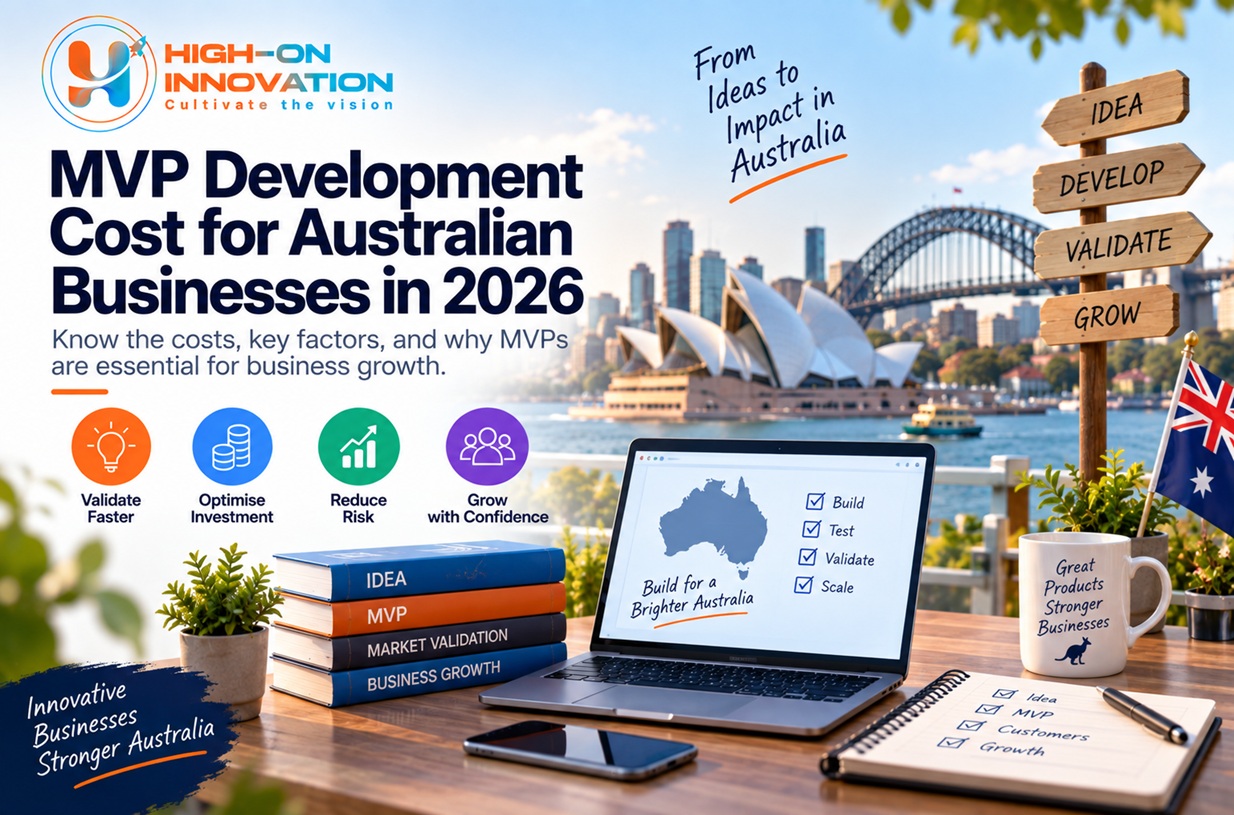
MVP Development Cost for Australian Businesses in 2026
A simple customer portal, booking application, SaaS dashboard, marketplace, AI-powered platform, fintech product, healthcare application, or enterprise workflow system can all be described as an "MVP", but their development requirements can be dramatically different.

Sep 3, 2026
How to Choose an MVP Development Company for Your Startup
Choosing the right MVP development company can have a major impact on your startup's first product launch. The right development partner does more than write code. They help translate your business idea into a focused product, identify technical risks, prioritize features, and create an MVP that can be tested with real users.
Sep 8, 2026
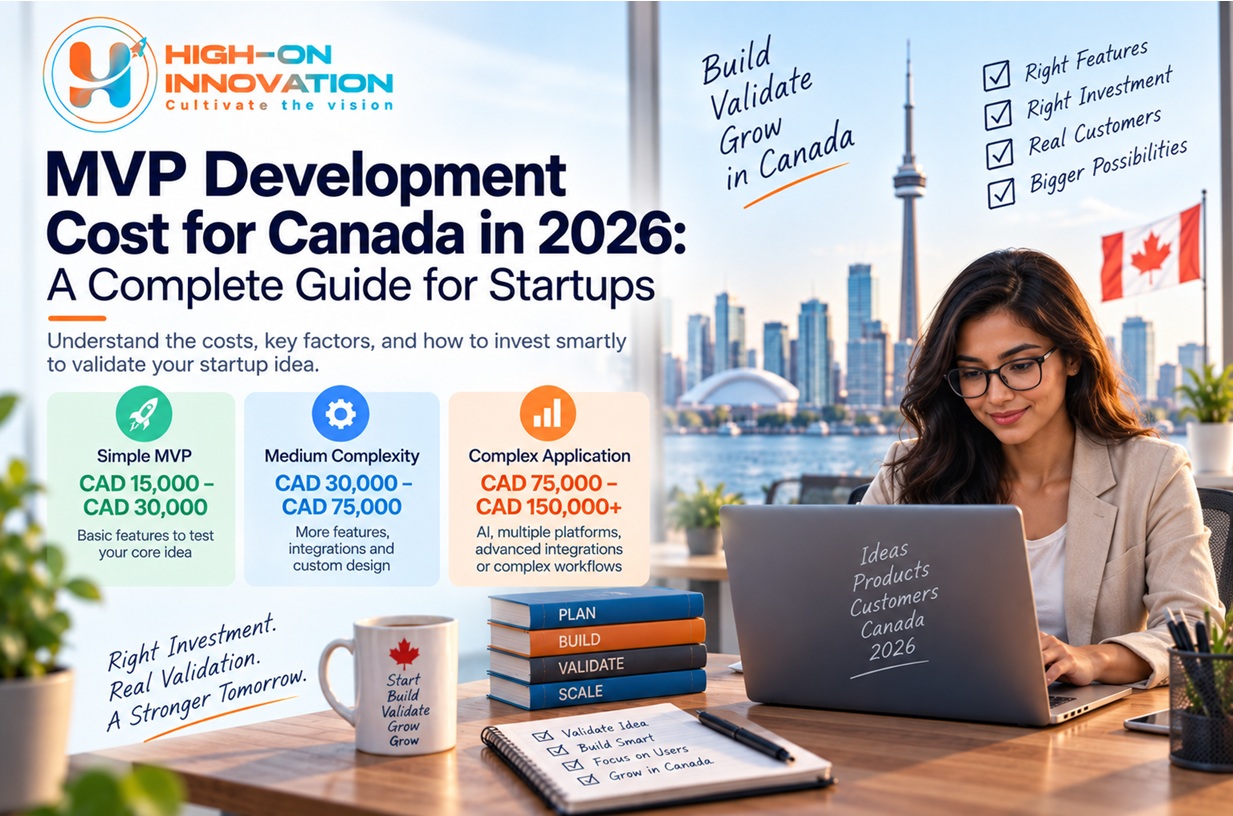
MVP Development Cost for Canadian Businesses in 2026: Complete Guide to Pricing, Features and Process
Discover MVP development cost Canada in 2026, including startup MVP cost, development factors, timelines, features, technology, compliance, and how to choose the right MVP development company.
Popular Post
MVP Development Cost for Australian Businesses in 2026
A simple customer portal, booking application, SaaS dashboard, marketplace, AI-powered platform, fintech product, healthcare application, or enterprise workflow system can all be described as an "MVP", but their development requirements can be dramatically different.
How to Choose an MVP Development Company for Your Startup
Choosing the right MVP development company can have a major impact on your startup's first product launch. The right development partner does more than write code. They help translate your business idea into a focused product, identify technical risks, prioritize features, and create an MVP that can be tested with real users.
MVP Development Cost for Canadian Businesses in 2026: Complete Guide to Pricing, Features and Process
Discover MVP development cost Canada in 2026, including startup MVP cost, development factors, timelines, features, technology, compliance, and how to choose the right MVP development company.
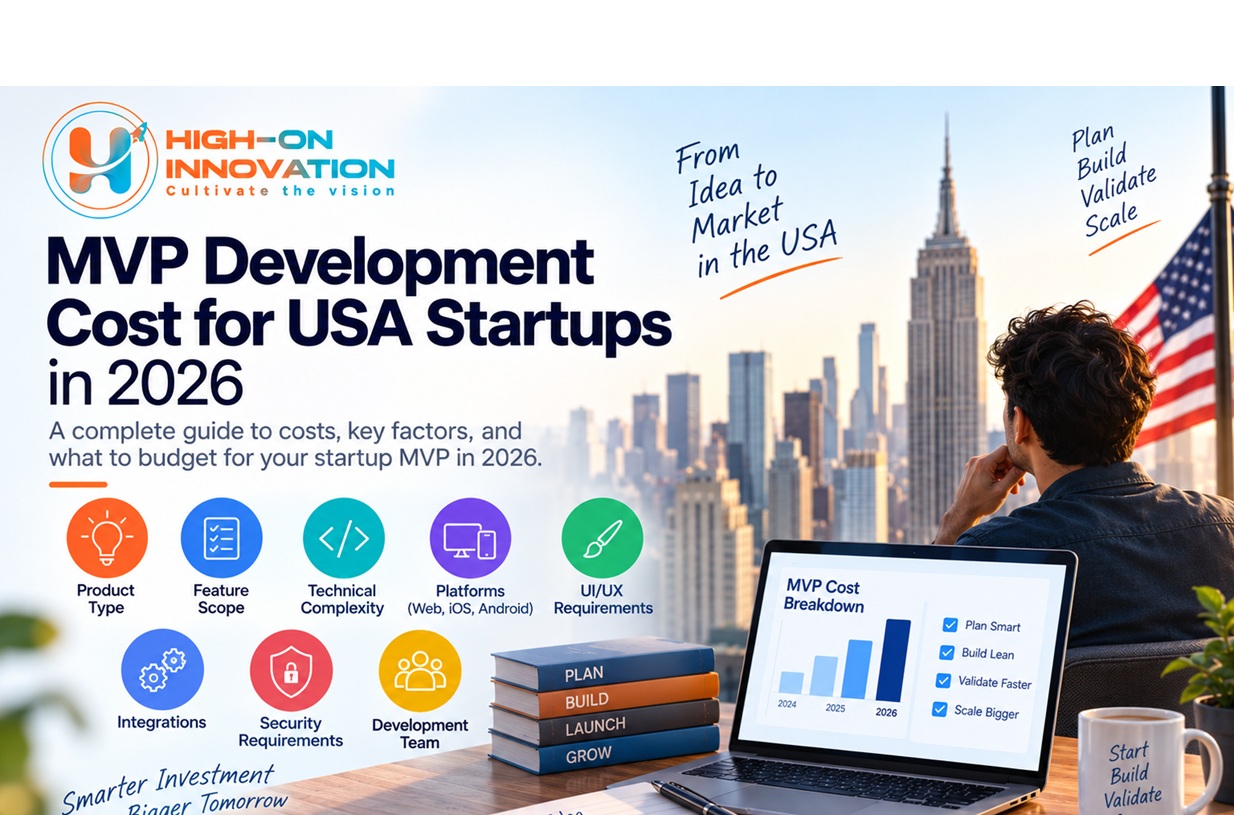
MVP Development Cost for USA Startups in 2026
An MVP, or Minimum Viable Product, gives founders a way to turn an idea into a usable product, launch it with real users, collect feedback, and understand whether the market actually wants the solution.