Digital Transformation Trends 2026: What Forward-Thinking Businesses Must Prepare?

The Big Shift: From Experimentation to Execution
The biggest transformation in 2026 is not technological it’s strategic.
Businesses are now focused on:
Measurable ROI
Scalable digital ecosystems
Real business outcomes
Organizations are no longer satisfied with pilots or proofs of concept they demand impact at scale.
Top Digital Transformation Trends in 2026
1. AI Moves from Tool to Decision Engine
AI is no longer just supporting businesses it is driving decisions.
In 2026:
AI is embedded into core business processes
It predicts outcomes, not just reports data
It enables real-time strategic decisions
Enterprises are now using AI as a strategic layer in leadership decision-making, not just automation.
The result: faster, smarter, and more accurate business strategies.
2. Rise of AI Agents & Autonomous Workflows
One of the biggest breakthroughs is the emergence of AI agents systems that can think, plan, and execute tasks independently.
These agents:
Collaborate like digital employees
Automate complex workflows
Reduce human intervention
Large enterprises are already building AI-driven workforces, where intelligent agents support operations at scale.
This is where automation becomes true autonomy.
3. AI-Native Enterprise Architecture
Traditional systems are being replaced by AI-native platforms.
Instead of adding AI to old systems, businesses are:
Designing platforms around AI from the start
Using vector databases, APIs, and real-time data pipelines
Building intelligent ecosystems
This shift enables:
Real-time personalization
Faster processing
Smarter automation
AI is no longer an add-on it’s the foundation.
4. Hyperautomation Becomes Standard
Automation is evolving into hyperautomation where everything that can be automated, will be.
This includes:
End-to-end business workflows
Decision-making processes
Customer interactions
Organizations are combining:
AI
RPA
Analytics
Orchestration tools
The goal is not just efficiency but fully optimized operations.
5. Data Becomes a Product, Not Just an Asset
In 2026, data is no longer stored it’s packaged, governed, and monetized.
Businesses are moving toward:
Data product models
Data marketplaces
Real-time data ecosystems
This shift enables:
Faster insights
Better governance
New revenue opportunities
Organizations that treat data as a product gain a competitive advantage.
6. Low-Code & No-Code Go Mainstream
Technology is becoming accessible to everyone—not just developers.
Low-code/no-code platforms allow:
Faster application development
Reduced dependency on IT teams
Business-led innovation
Companies are using these platforms to:
Build internal tools
Automate workflows
Launch digital products faster
Innovation is no longer limited by technical skills.
7. Physical Experiences Redefine Customer Engagement
The line between physical and digital is disappearing.
Welcome to the phygital era.
Businesses are combining:
AR/VR
IoT
Real-time analytics
To create:
Immersive customer experiences
Smart retail environments
Connected service ecosystems
Customers don’t see channels anymore they expect one seamless experience.
8. Cybersecurity Becomes a Core Business Strategy
As digital adoption increases, so do risks.
In 2026:
Security is built into systems from day one
Zero-trust frameworks are standard
AI is used for threat detection
Cybersecurity is no longer an IT concern it’s a business-critical priority.
9. Digital Twins & Real-Time Simulation
Organizations are creating digital replicas of physical systems.
These digital twins allow:
Real-time monitoring
Predictive maintenance
Scenario simulation
For example, industries are already using digital twins to:
Optimize operations
Reduce downtime
Improve efficiency
Businesses can now test decisions before implementing them in the real world.
10. Composable & Modular Business Models
Enterprises are moving toward composable architectures building systems like Lego blocks.
This allows:
Faster innovation
Easy integration
Scalable growth
Businesses can:
Add new capabilities quickly
Replace outdated components
Adapt without disruption
Flexibility becomes the ultimate competitive advantage.
What These Trends Mean for Businesses
These trends point to one clear reality:
Digital transformation is no longer a project.
It is a continuous capability.
In 2026, successful businesses will:
Integrate AI into decision-making
Automate intelligently, not blindly
Build scalable, flexible architectures
Focus on measurable outcomes0.
Prioritize customer experience and security
How HOI Helps You Stay Ahead in 2026
At High On Innovation (HOI), we don’t just follow trends we help businesses lead them.
Our Approach:
✔ AI-first transformation strategy
✔ Scalable cloud and digital architecture
✔ Intelligent automation and workflows
✔ Data-driven decision systems
✔ Continuous optimization and innovation
We help you move from digital adoption → digital leadership.
Final Thought
2026 belongs to organizations that don’t just adopt technology but embed it into their DNA.
The question is not:
❌ “Are we digitally transforming?”
The real question is:
✅ “Are we evolving fast enough to stay relevant?”
Ready to Lead the Future?
Partner with High On Innovation (HOI) to build a business that is:
✔ Intelligent
✔ Agile
✔ Scalable
✔ Future-ready
Let’s turn digital transformation into real business impact.
Comments
Loading comments…
Latest Market Trends
Sep 9, 2026
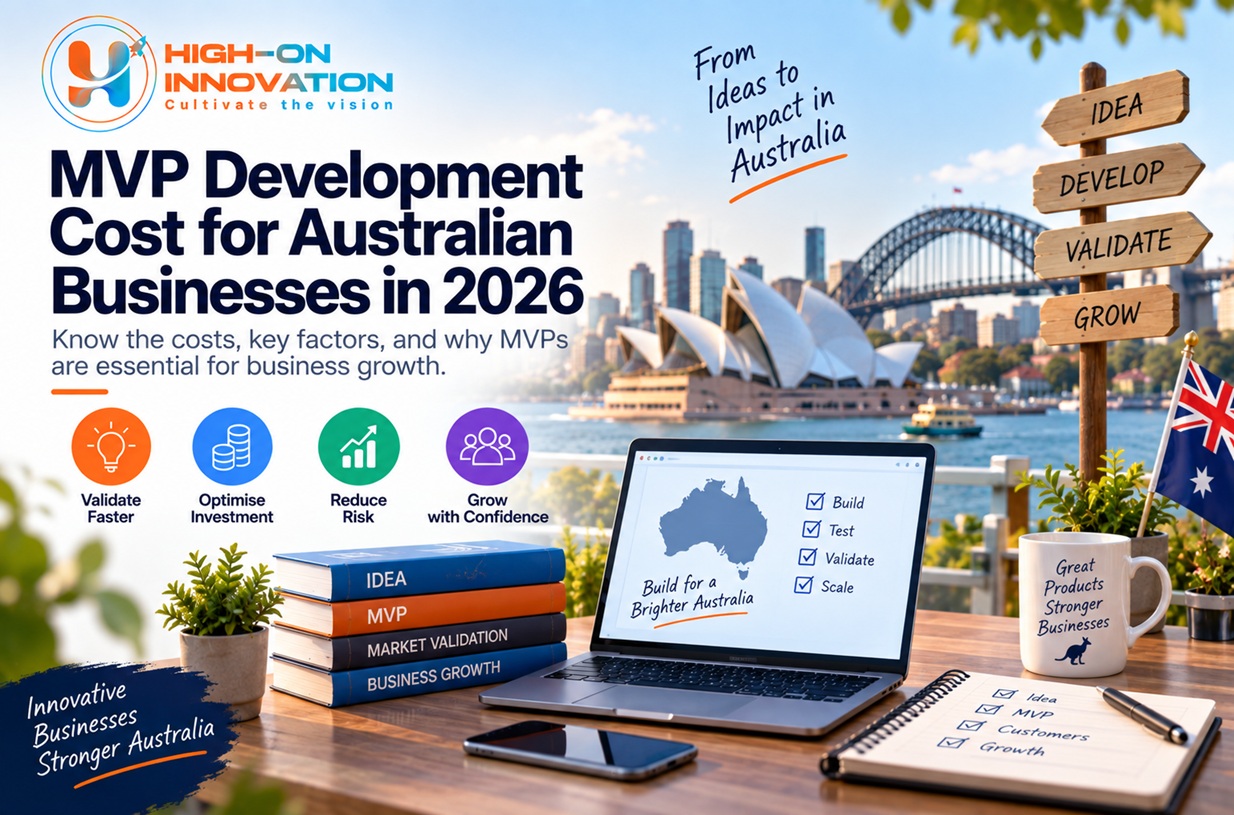
MVP Development Cost for Australian Businesses in 2026
A simple customer portal, booking application, SaaS dashboard, marketplace, AI-powered platform, fintech product, healthcare application, or enterprise workflow system can all be described as an "MVP", but their development requirements can be dramatically different.
Sep 3, 2026
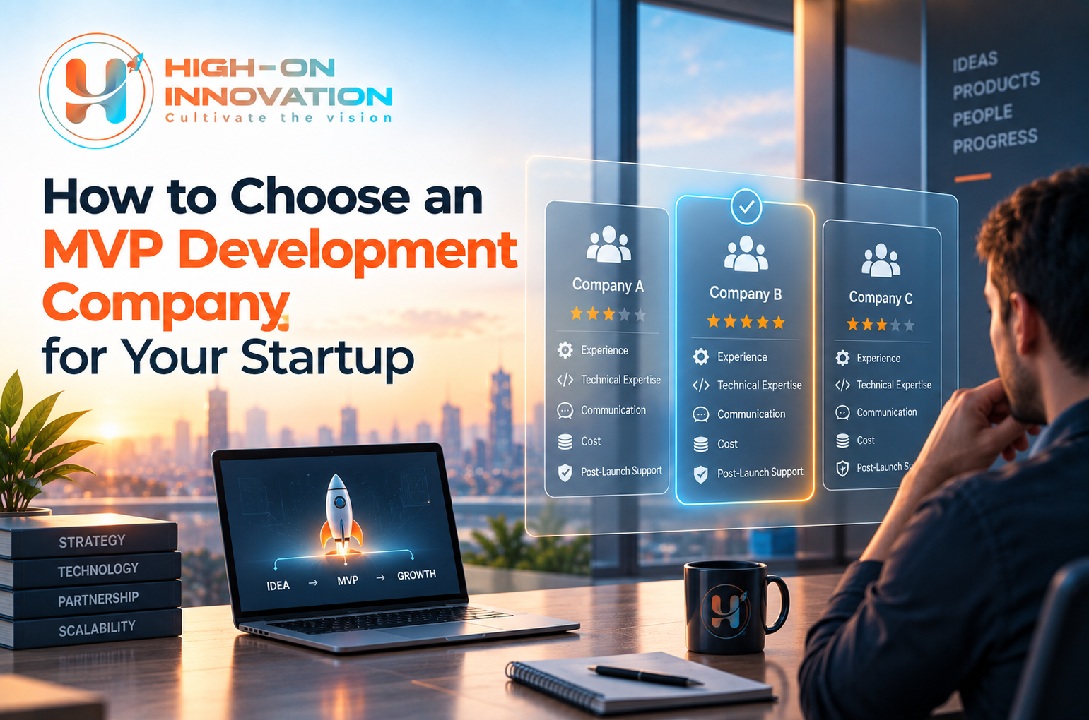
How to Choose an MVP Development Company for Your Startup
Choosing the right MVP development company can have a major impact on your startup's first product launch. The right development partner does more than write code. They help translate your business idea into a focused product, identify technical risks, prioritize features, and create an MVP that can be tested with real users.
Sep 8, 2026
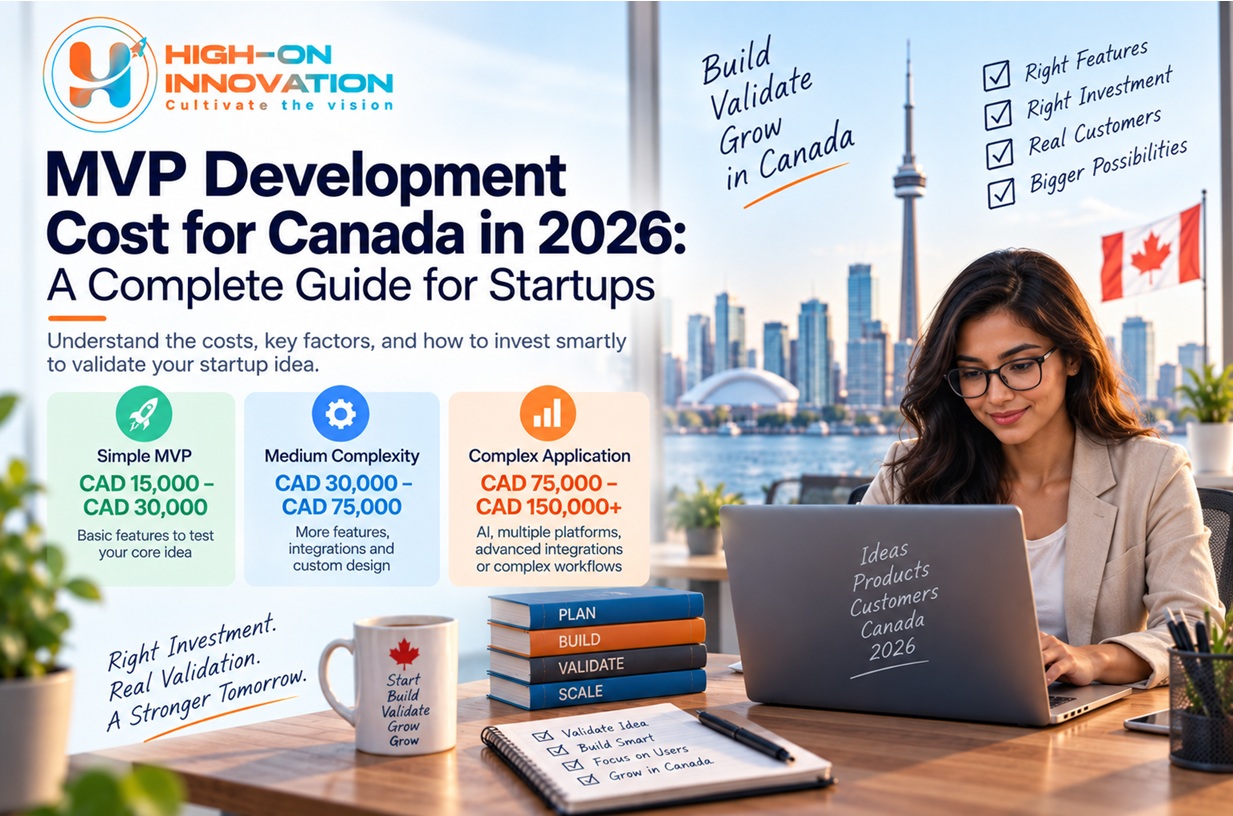
MVP Development Cost for Canadian Businesses in 2026: Complete Guide to Pricing, Features and Process
Discover MVP development cost Canada in 2026, including startup MVP cost, development factors, timelines, features, technology, compliance, and how to choose the right MVP development company.
Popular Post
MVP Development Cost for Australian Businesses in 2026
A simple customer portal, booking application, SaaS dashboard, marketplace, AI-powered platform, fintech product, healthcare application, or enterprise workflow system can all be described as an "MVP", but their development requirements can be dramatically different.
How to Choose an MVP Development Company for Your Startup
Choosing the right MVP development company can have a major impact on your startup's first product launch. The right development partner does more than write code. They help translate your business idea into a focused product, identify technical risks, prioritize features, and create an MVP that can be tested with real users.
MVP Development Cost for Canadian Businesses in 2026: Complete Guide to Pricing, Features and Process
Discover MVP development cost Canada in 2026, including startup MVP cost, development factors, timelines, features, technology, compliance, and how to choose the right MVP development company.
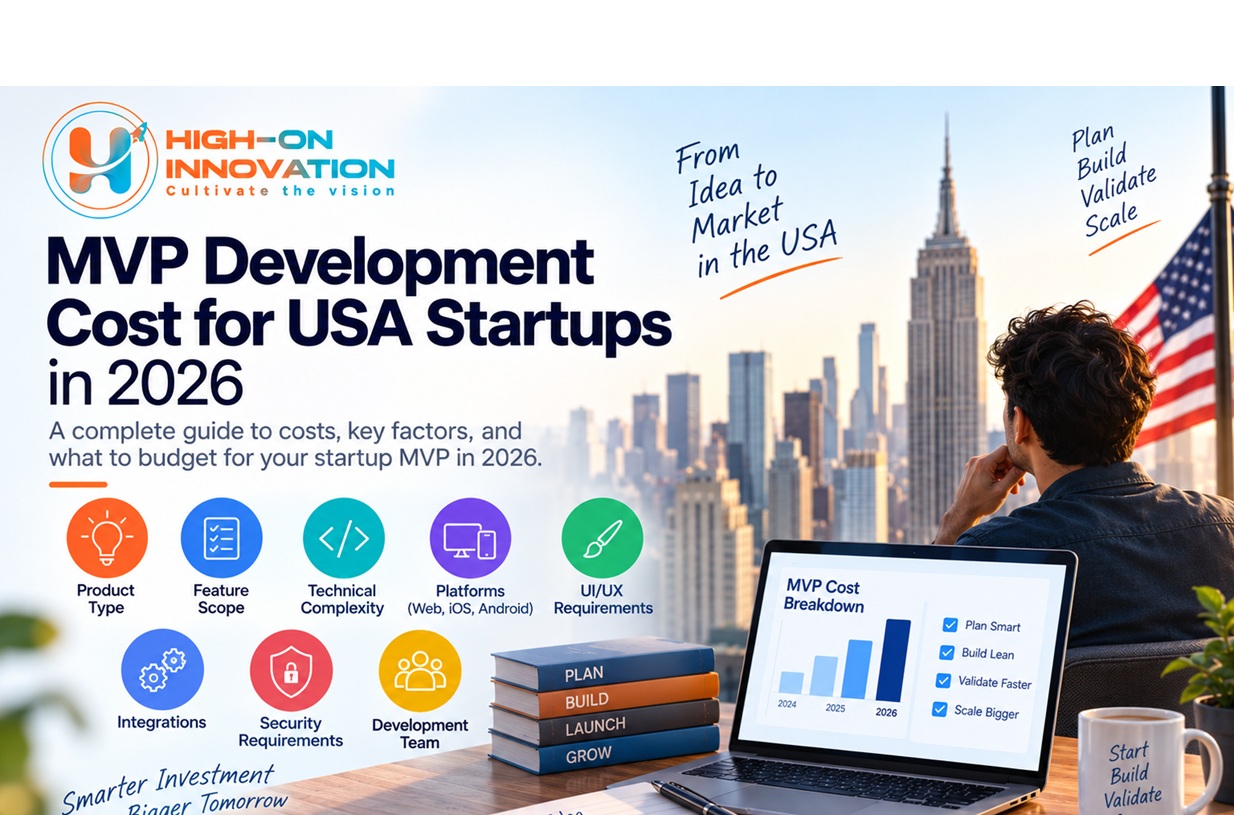
MVP Development Cost for USA Startups in 2026
An MVP, or Minimum Viable Product, gives founders a way to turn an idea into a usable product, launch it with real users, collect feedback, and understand whether the market actually wants the solution.