Enterprise Modernization Strategy: Reinventing the Core of Your Business for the Digital Age
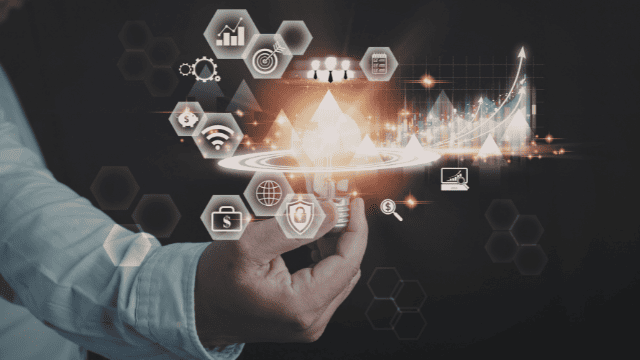
The Reality: Legacy Systems Are Slowing You Down
Let’s be direct.
If your business is experiencing:
Slow decision-making
Disconnected systems
High operational costs
Limited scalability
Delayed product or service delivery
…it’s not a people problem.
It’s a system problem.
Legacy infrastructure creates friction at every level of the organization. It limits how fast you can innovate, how efficiently you can operate, and how well you can serve your customers.
Modern enterprises don’t just improve these systems they rebuild the foundation entirely.
What Enterprise Modernization Really Means
Enterprise modernization is often misunderstood as “moving to the cloud” or “upgrading software.”
In reality, it’s about reengineering how your business works at its core.
It means:
Turning rigid systems into flexible ecosystems
Converting manual processes into intelligent workflows
Transforming data into real-time business intelligence
Enabling systems to scale as fast as your ambition
Modernization is not about replacing technology.
It’s about unlocking capability.
Why Enterprise Modernization Is Now a Strategic Priority
The question is no longer “Should we modernize?”
It’s “How fast can we do it before we fall behind?”
1. Speed is the New Competitive Advantage
In today’s market, the fastest company often wins.
Modern systems allow you to:
Launch faster
Adapt quicker
Respond instantly
Legacy systems? They slow everything down.
2. Complexity is the Hidden Cost
As businesses grow, systems become more complex.
Without modernization:
Teams work in silos
Data becomes fragmented
Processes become inefficient
Modernization simplifies complexity by creating connected, intelligent ecosystems.
3. Data Without Modernization is Wasted Potential
You already have data.
But are you using it effectively?
Modern enterprises:
Turn data into insights
Use AI for predictions
Make decisions in real time
Without modernization, data remains underutilized and disconnected.
4. Customer Expectations Have Changed Forever
Customers don’t compare you to your competitors anymore.
They compare you to the best digital experiences they’ve ever had.
That means:
Instant responses
Personalized journeys
Seamless interactions
Only modern systems can deliver this consistently.
The Building Blocks of a Modern Enterprise
Modernization is not one big change it’s a combination of strategic upgrades that work together.
1. Cloud-First Infrastructure
The foundation of every modern enterprise is the cloud.
It enables:
On-demand scalability
Faster deployment
Reduced infrastructure costs
But more importantly, it gives your business freedom to grow without limits.
2. Intelligent Automation
Repetitive work should not consume human potential.
Automation helps:
Eliminate manual processes
Increase speed and accuracy
Free teams for strategic work
When powered by AI, automation becomes decision-making intelligence.
3. Unified Data Ecosystem
Modern enterprises don’t operate on scattered data.
They build:
Centralized data platforms
Real-time dashboards
Predictive analytics systems
This transforms decision-making from reactive to proactive and strategic.
4. API-Driven Architecture
Flexibility is everything.
API-driven systems allow:
Seamless integration
Faster innovation
Modular scalability
It ensures your systems evolve without breaking.
5. Security by Design
Modernization without security is a risk.
Today’s enterprises need:
Built-in security frameworks
Real-time threat monitoring
Compliance-ready systems
Security is no longer a layer it’s a foundation.
How Smart Enterprises Approach Modernization
There is no one-size-fits-all strategy. But successful organizations follow a clear pattern.
Step 1: Start with Business, Not Technology
Modernization should answer:
What are we trying to improve?
Where are we losing efficiency?
What outcomes do we want?
Technology is the enabler not the starting point.
Step 2: Identify High-Impact Areas
Focus on areas that deliver immediate value:
Operations
Customer experience
Data management
Quick wins build momentum.
Step 3: Modernize in Phases, Not All at Once
Trying to transform everything at once creates risk.
Instead:
Prioritize critical systems
Implement in stages
Scale gradually
This ensures stability + progress.
Step 4: Build for the Future, Not Just the Present
Avoid short-term fixes.
Every modernization decision should answer:
👉 Will this still work 3–5 years from now?
Step 5: Align People, Process, and Technology
Transformation fails when people are left behind.
Success requires:
Training teams
Encouraging innovation
Building a digital-first culture
The Challenges No One Talks About
Enterprise modernization sounds exciting but it’s not without challenges.
Fear of disruption
Cost concerns
Integration complexity
Internal resistance
The difference between success and failure?
👉 Having the right strategy and partner.
How HOI Transforms Enterprise Modernization into Business Value
At High On Innovation (HOI), we don’t just modernize systems we transform how businesses operate.
What Makes Our Approach Different:
✔ We start with business outcomes, not technology trends
✔ We design scalable, future-ready architectures
✔ We integrate AI and automation from day one
✔ We ensure seamless transition with minimal disruption
✔ We continuously optimize for performance and growth
We turn modernization into a measurable business advantage.
The Future Belongs to Modern Enterprises
The next decade will not be defined by the biggest companies. It will be defined by the most adaptable ones.
Enterprises that embrace modernization will:
Innovate faster
Scale effortlessly
Lead their industries
Those that delay will struggle to keep up.
Final Thought
Enterprise modernization is not a project.
It’s a strategic shift in how your business thinks, operates, and grows.
The sooner you start, the stronger your position in the future.
Ready to Redefine Your Enterprise?
Partner with High On Innovation (HOI) to build a business that is:
✔ Faster
✔ Smarter
✔ Scalable
✔ Future-ready
Let’s modernize your enterprise beyond technology, into transformation.
Comments
Loading comments…
Latest Market Trends
Sep 9, 2026
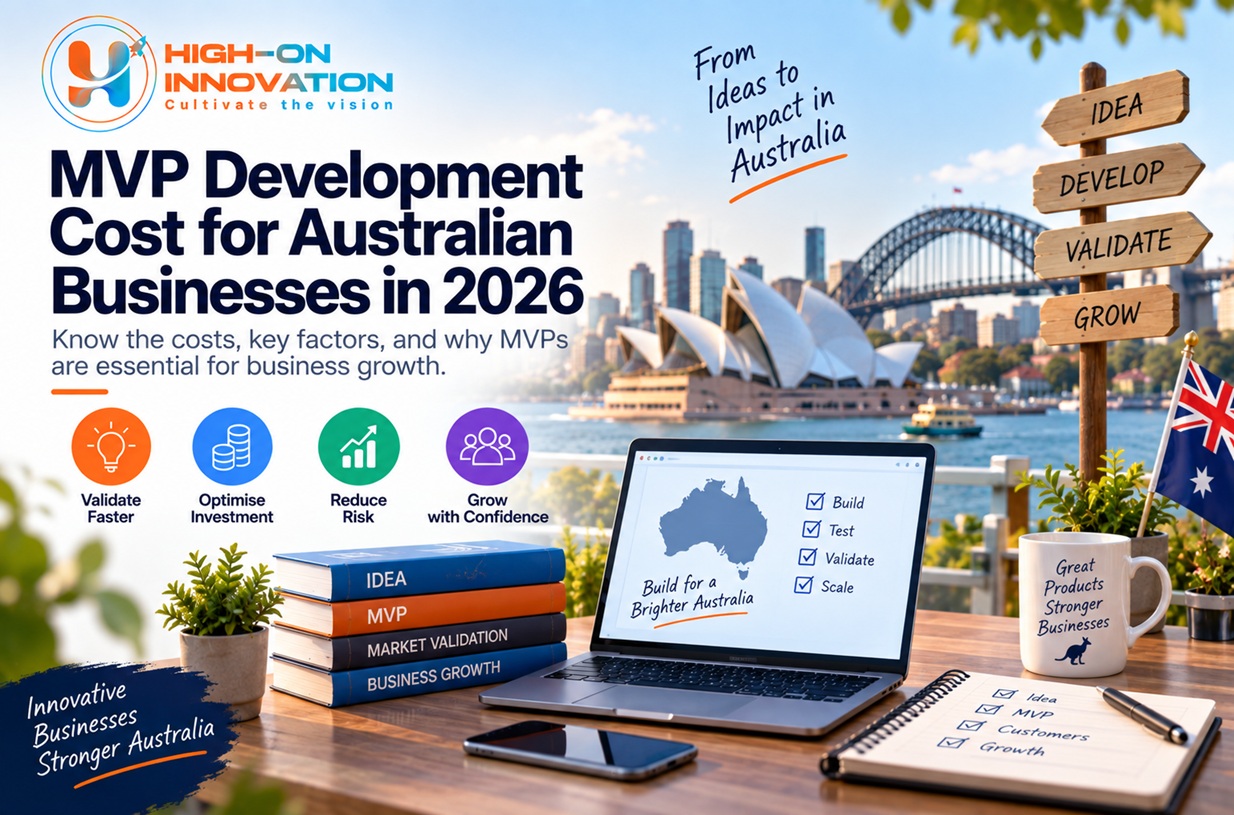
MVP Development Cost for Australian Businesses in 2026
A simple customer portal, booking application, SaaS dashboard, marketplace, AI-powered platform, fintech product, healthcare application, or enterprise workflow system can all be described as an "MVP", but their development requirements can be dramatically different.
Sep 3, 2026
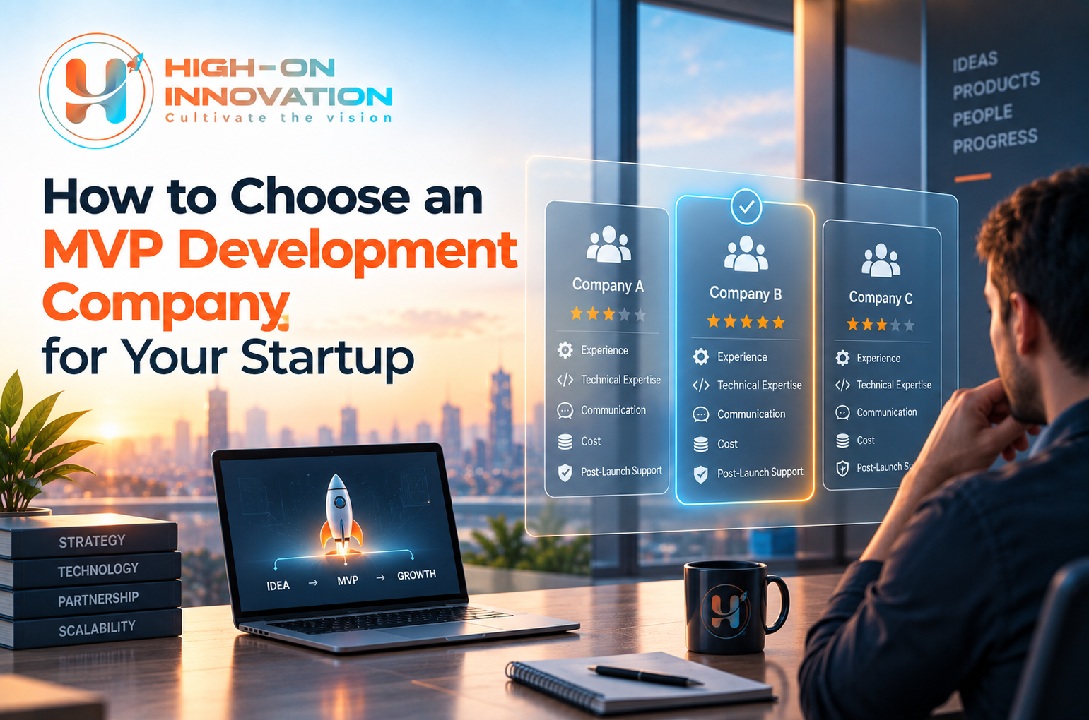
How to Choose an MVP Development Company for Your Startup
Choosing the right MVP development company can have a major impact on your startup's first product launch. The right development partner does more than write code. They help translate your business idea into a focused product, identify technical risks, prioritize features, and create an MVP that can be tested with real users.
Sep 8, 2026
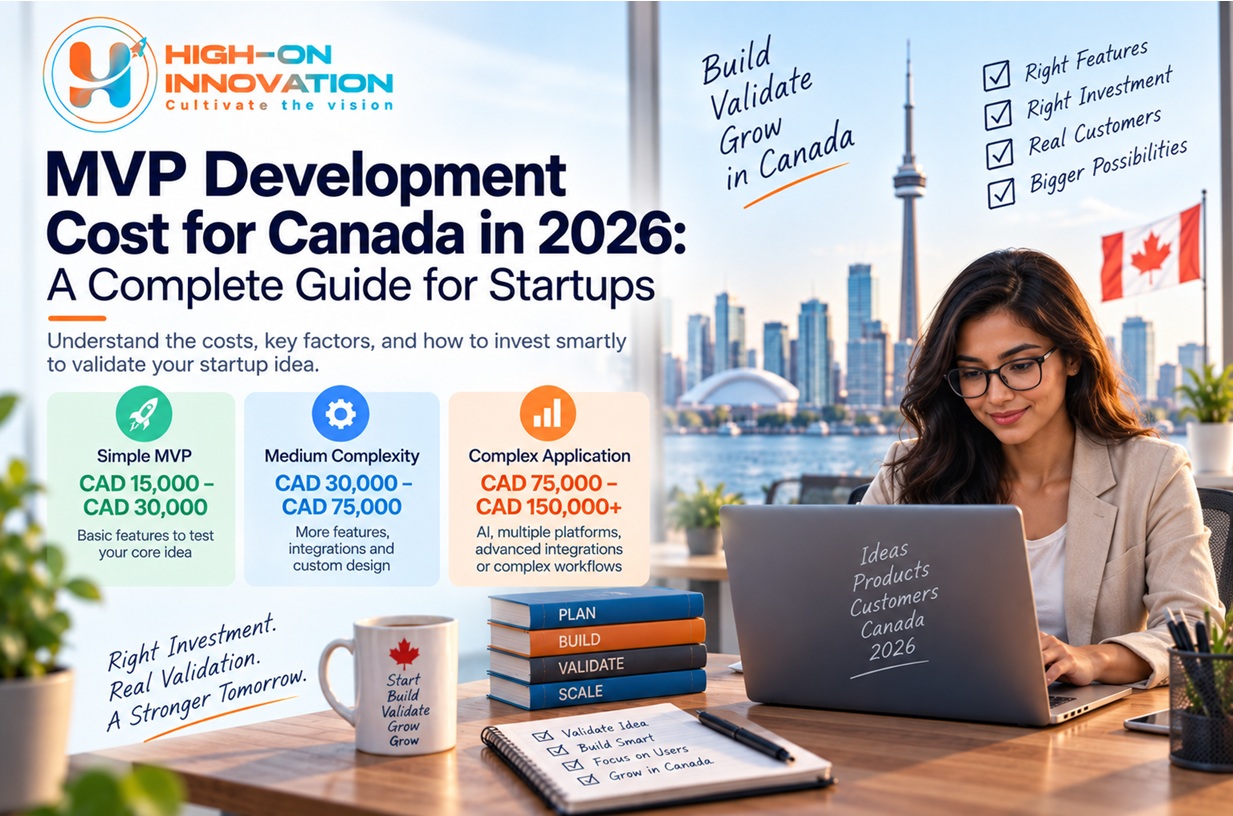
MVP Development Cost for Canadian Businesses in 2026: Complete Guide to Pricing, Features and Process
Discover MVP development cost Canada in 2026, including startup MVP cost, development factors, timelines, features, technology, compliance, and how to choose the right MVP development company.
Popular Post
MVP Development Cost for Australian Businesses in 2026
A simple customer portal, booking application, SaaS dashboard, marketplace, AI-powered platform, fintech product, healthcare application, or enterprise workflow system can all be described as an "MVP", but their development requirements can be dramatically different.
How to Choose an MVP Development Company for Your Startup
Choosing the right MVP development company can have a major impact on your startup's first product launch. The right development partner does more than write code. They help translate your business idea into a focused product, identify technical risks, prioritize features, and create an MVP that can be tested with real users.
MVP Development Cost for Canadian Businesses in 2026: Complete Guide to Pricing, Features and Process
Discover MVP development cost Canada in 2026, including startup MVP cost, development factors, timelines, features, technology, compliance, and how to choose the right MVP development company.
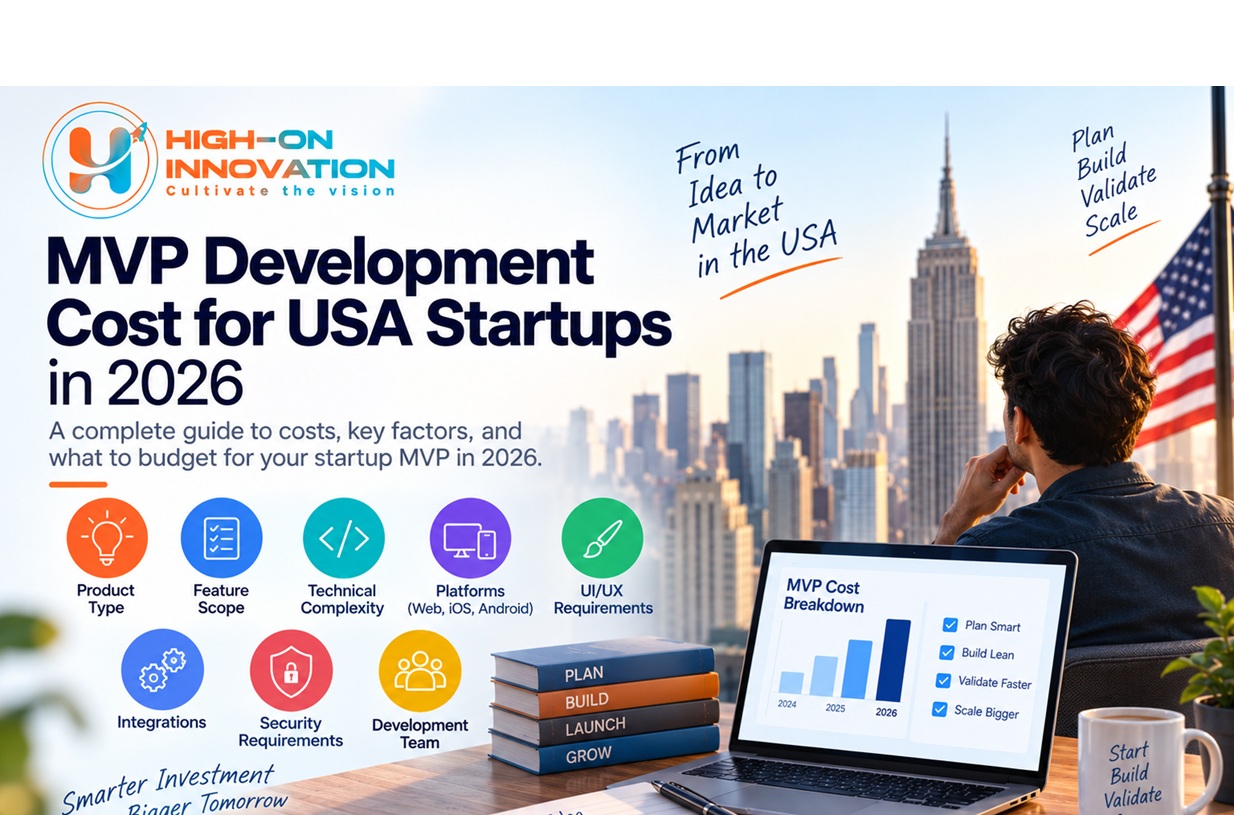
MVP Development Cost for USA Startups in 2026
An MVP, or Minimum Viable Product, gives founders a way to turn an idea into a usable product, launch it with real users, collect feedback, and understand whether the market actually wants the solution.