Manufacturing Automation Examples: 20 Real-World Ways Manufacturers Improve Efficiency with AI and Process Automation
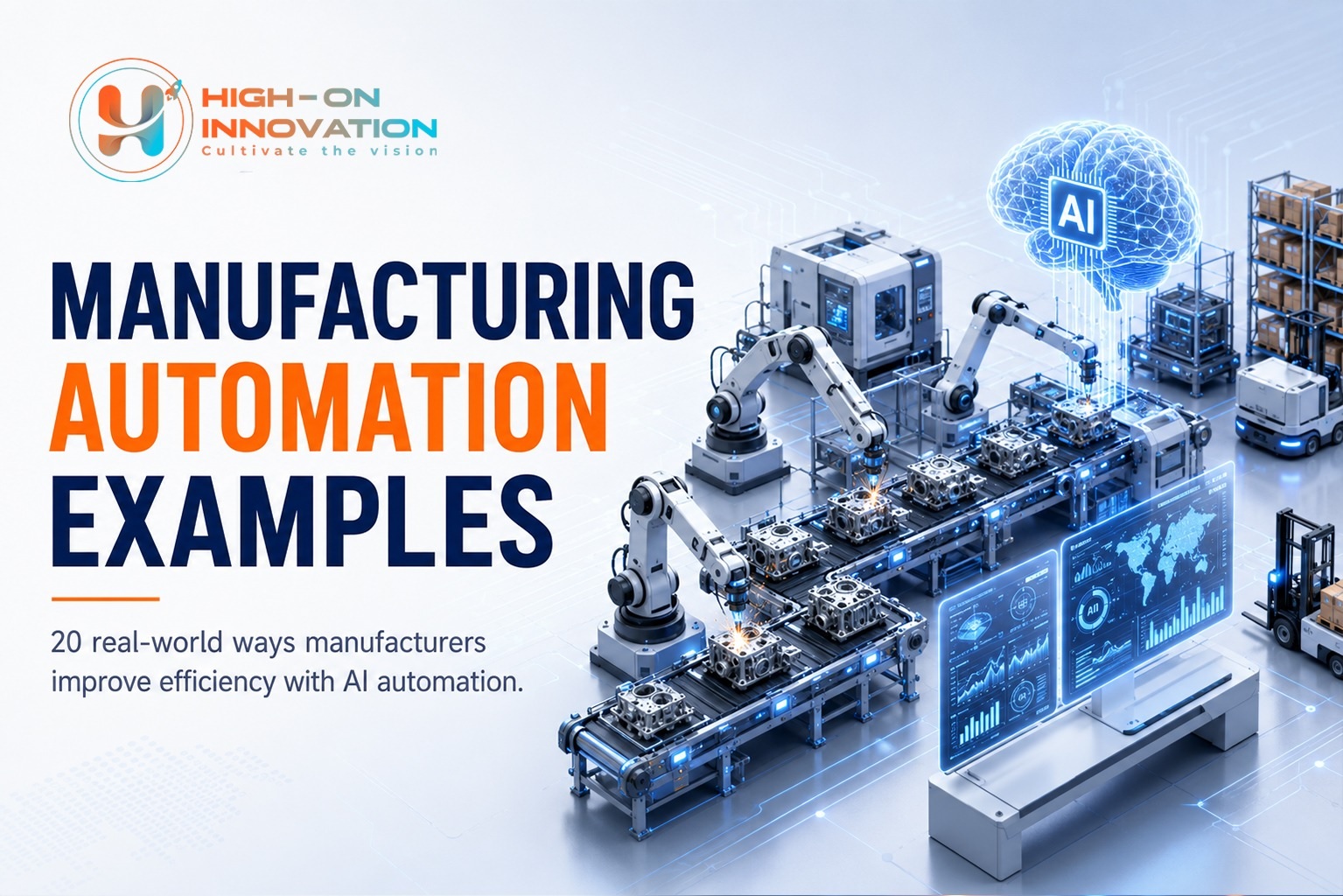
Manufacturing automation is no longer limited to robotic assembly lines or large multinational corporations. Today, manufacturers of every size are using automation to simplify business processes, improve production planning, optimize inventory, strengthen customer relationships, and streamline operations across the organization.
The most successful manufacturers don't automate everything at once. Instead, they identify repetitive, time-consuming, and error-prone processes that create operational bottlenecks and automate those first.
This article explores 20 practical examples of manufacturing automation, showing how businesses can improve productivity, reduce costs, and build smarter operations using AI, workflow automation, and digital technologies.
What Is Manufacturing Automation?
Manufacturing automation is the use of software, artificial intelligence (AI), workflow automation, and connected business systems to automate operational and administrative processes throughout a manufacturing organization.
Automation can support:
Production planning
Inventory management
Procurement
Customer relationship management (CRM)
Workflow approvals
Quality management
Finance
Human resources
Reporting
Supply chain coordination
Rather than replacing employees, automation eliminates repetitive work and enables teams to focus on higher-value activities.
Why Real-World Examples Matter
Many manufacturers understand the concept of automation but struggle to identify where it can be applied in their own business.
Practical examples make it easier to:
Identify improvement opportunities
Estimate potential ROI
Prioritize automation projects
Gain leadership buy-in
Build an implementation roadmap
The following examples illustrate how automation delivers value across different departments.
20 Manufacturing Automation Examples
1. Automated Production Scheduling
Instead of manually creating production schedules in spreadsheets, AI analyzes demand, machine capacity, workforce availability, and inventory to generate optimized production plans.
Business Benefits
Reduced scheduling conflicts
Higher machine utilization
Improved on-time delivery
Better resource allocation
2. Purchase Approval Workflows
Purchase requests automatically move through predefined approval workflows based on purchase value, department, or supplier.
Business Benefits
Faster approvals
Reduced paperwork
Improved compliance
Better purchasing visibility
3. Inventory Replenishment
AI monitors stock levels and automatically recommends or initiates purchase orders when inventory reaches predefined thresholds.
Business Benefits
Fewer stock shortages
Lower carrying costs
Better cash flow
Improved production continuity
4. Customer Lead Management
New inquiries from websites, trade shows, or email are automatically assigned to the appropriate sales representative, with reminders for follow-ups.
Business Benefits
Faster response times
Improved lead conversion
Better customer experience
Increased sales productivity
5. Automated Quotation Generation
CRM systems generate quotations using predefined pricing, product catalogs, and customer information.
Business Benefits
Faster quote delivery
Reduced manual errors
Consistent pricing
Improved customer satisfaction
6. Vendor Onboarding
Supplier registration, document verification, approvals, and compliance checks are automated through digital workflows.
Business Benefits
Faster supplier onboarding
Improved compliance
Reduced administrative effort
Better supplier records
7. Production Performance Dashboards
Real-time dashboards automatically display production output, downtime, efficiency, and operational KPIs.
Business Benefits
Better visibility
Faster decision-making
Improved production monitoring
Early identification of bottlenecks
8. Warehouse Inventory Tracking
Barcode, RFID, or integrated inventory systems automatically update stock movements during receiving, storage, and shipping.
Business Benefits
Improved inventory accuracy
Faster warehouse operations
Reduced manual counting
Better stock visibility
9. Maintenance Request Automation
Employees submit maintenance requests digitally, and workflows assign tasks to technicians while tracking completion.
Business Benefits
Faster issue resolution
Improved maintenance planning
Better equipment availability
Reduced downtime
10. Automated Invoice Processing
Invoices are captured, matched with purchase orders, routed for approval, and recorded automatically.
Business Benefits
Faster processing
Fewer accounting errors
Better financial visibility
Reduced administrative workload
11. Employee Onboarding
New employee documentation, approvals, IT setup, and training assignments are automated.
Business Benefits
Faster onboarding
Consistent processes
Improved employee experience
Reduced HR administration
12. Quality Inspection Workflows
Inspection checklists, defect reporting, corrective actions, and approval processes are digitized.
Business Benefits
Better quality control
Improved traceability
Faster issue resolution
Easier compliance reporting
13. Procurement Planning
AI analyzes production schedules, supplier lead times, and inventory levels to recommend purchasing activities.
Business Benefits
Smarter purchasing
Reduced shortages
Better supplier coordination
Improved cash flow management
14. Customer Service Automation
AI chatbots and automated support workflows answer common questions, provide order updates, and create service tickets.
Business Benefits
Faster customer support
Reduced workload
Improved response consistency
Higher customer satisfaction
15. Executive Reporting
Business intelligence platforms automatically consolidate data from ERP, CRM, inventory, finance, and production systems.
Business Benefits
Real-time reporting
Better strategic planning
Improved operational visibility
Faster executive decisions
16. Demand Forecasting
AI analyzes historical sales, seasonal demand, and market trends to predict future production requirements.
Business Benefits
Improved production planning
Better inventory management
Reduced waste
Higher customer service levels
17. Workflow Notifications
Employees automatically receive notifications when approvals, tasks, or production milestones require attention.
Business Benefits
Reduced delays
Improved accountability
Faster collaboration
Better process visibility
18. Multi-Department Document Management
Documents such as engineering drawings, purchase orders, quality reports, and contracts are stored, tracked, and shared through centralized systems.
Business Benefits
Easier document retrieval
Better version control
Reduced paperwork
Improved collaboration
19. Sales Forecasting
AI evaluates historical sales performance, customer activity, and market conditions to forecast future revenue.
Business Benefits
Better budgeting
Improved production planning
Stronger inventory decisions
Increased strategic visibility
20. End-to-End Manufacturing Workflow Automation
Departments such as sales, procurement, production, warehouse, finance, and customer service operate within a connected workflow.
For example:
Customer Order → Sales Approval → Production Planning → Material Availability Check → Procurement → Manufacturing → Quality Inspection → Dispatch → Invoice Generation → Customer Notification
Business Benefits
Seamless operations
Reduced manual intervention
Improved collaboration
Better customer experience
Higher operational efficiency
Which Automation Projects Deliver the Fastest ROI?
Most manufacturers see quick returns from automating:
Purchase approvals
Production planning
CRM workflows
Inventory management
Executive reporting
Procurement
Quotation generation
Workflow notifications
These projects typically require less organizational change while delivering measurable productivity improvements.
Choosing the Right Automation Priorities
Before investing in automation, ask:
Which tasks consume the most employee time?
Where do manual errors occur most frequently?
Which approvals delay production?
What information is difficult to access?
Which departments rely heavily on spreadsheets?
Which processes directly affect customers?
The answers will help identify the best starting point.
Best Practices for Manufacturing Automation
Successful manufacturers typically:
Start with one high-impact process.
Standardize workflows before automating.
Integrate existing ERP, CRM, and inventory systems.
Train employees early.
Measure business outcomes with clear KPIs.
Expand automation in phases.
This approach minimizes implementation risks and maximizes long-term value.
How HOI Helps Manufacturers Automate Operations
At High On Innovation (HOI), we help manufacturers identify automation opportunities that deliver measurable business value.
Our manufacturing automation expertise includes:
AI Automation
Manufacturing Process Automation
Workflow Automation
CRM Automation
Inventory Management Automation
Supply Chain Automation
Production Process Automation
Custom Software Development
ERP & Third-Party Integration
Digital Transformation Consulting
We work with manufacturers to analyze existing processes, prioritize automation initiatives, and implement scalable solutions that improve productivity, visibility, and operational performance.
Final Thoughts
Manufacturing automation is not about replacing people—it is about enabling them to work more effectively.
From production scheduling and procurement to CRM, inventory management, finance, and quality control, automation creates opportunities to eliminate repetitive work, improve collaboration, and make better business decisions.
The most successful manufacturers begin with practical automation projects that solve real operational challenges. By focusing on high-impact processes and expanding strategically, organizations can build smarter factories, improve profitability, and create a strong foundation for long-term digital transformation.
Harshit Gupta is the Founder of High-On Innovation and is responsible for shaping the company's vision, business model, growth strategy, and market expansion initiatives. He specializes in identifying emerging opportunities, driving innovation, and helping businesses navigate digital transformation in a rapidly evolving technology landscape. His expertise includes business strategy, digital innovation, startup growth, market positioning, and future-focused technology adoption.
Comments
Loading comments…
Latest Market Trends

Sep 9, 2026
MVP Development Cost for Australian Businesses in 2026
A simple customer portal, booking application, SaaS dashboard, marketplace, AI-powered platform, fintech product, healthcare application, or enterprise workflow system can all be described as an "MVP", but their development requirements can be dramatically different.

Sep 3, 2026
How to Choose an MVP Development Company for Your Startup
Choosing the right MVP development company can have a major impact on your startup's first product launch. The right development partner does more than write code. They help translate your business idea into a focused product, identify technical risks, prioritize features, and create an MVP that can be tested with real users.

Sep 8, 2026
MVP Development Cost for Canadian Businesses in 2026: Complete Guide to Pricing, Features and Process
Discover MVP development cost Canada in 2026, including startup MVP cost, development factors, timelines, features, technology, compliance, and how to choose the right MVP development company.
Popular Post
MVP Development Cost for Australian Businesses in 2026
A simple customer portal, booking application, SaaS dashboard, marketplace, AI-powered platform, fintech product, healthcare application, or enterprise workflow system can all be described as an "MVP", but their development requirements can be dramatically different.
How to Choose an MVP Development Company for Your Startup
Choosing the right MVP development company can have a major impact on your startup's first product launch. The right development partner does more than write code. They help translate your business idea into a focused product, identify technical risks, prioritize features, and create an MVP that can be tested with real users.
MVP Development Cost for Canadian Businesses in 2026: Complete Guide to Pricing, Features and Process
Discover MVP development cost Canada in 2026, including startup MVP cost, development factors, timelines, features, technology, compliance, and how to choose the right MVP development company.
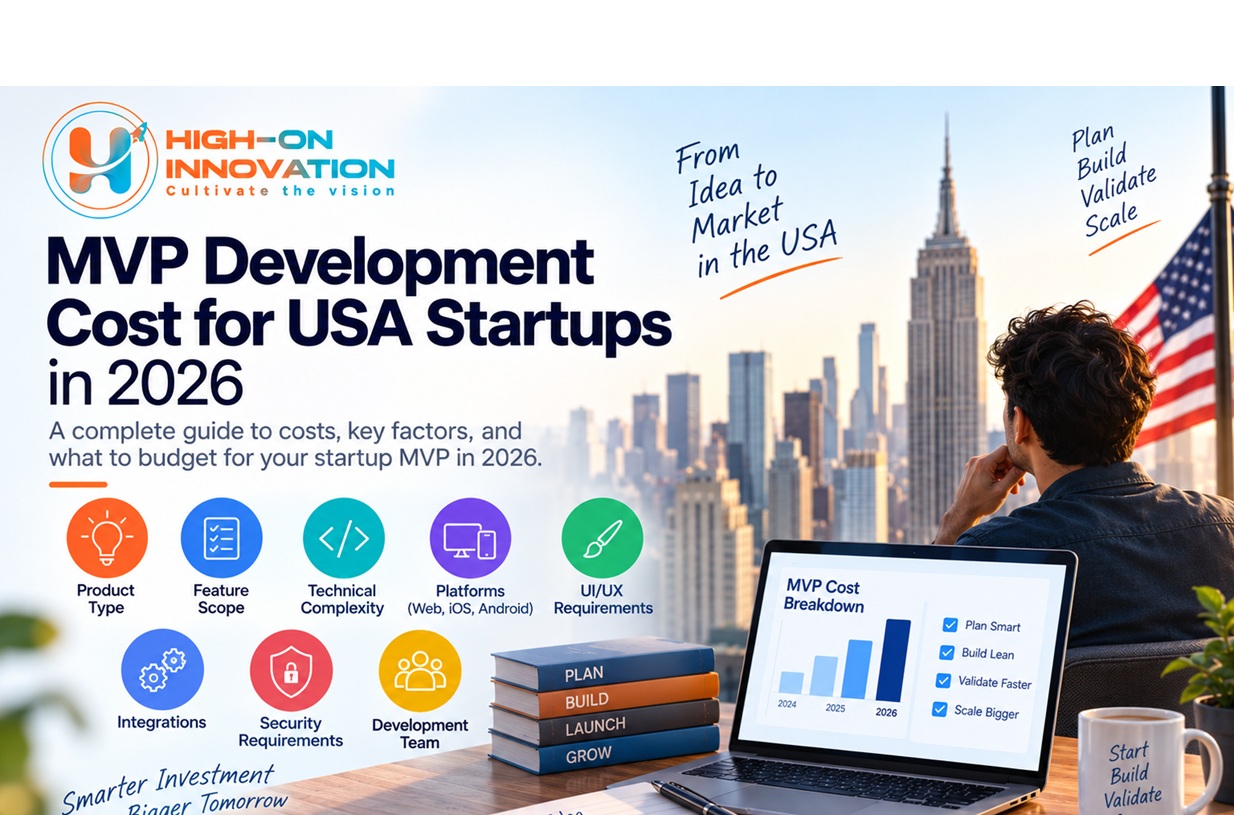
MVP Development Cost for USA Startups in 2026
An MVP, or Minimum Viable Product, gives founders a way to turn an idea into a usable product, launch it with real users, collect feedback, and understand whether the market actually wants the solution.