Manufacturing Workflow Automation: Streamline Business Operations with Intelligent Workflows
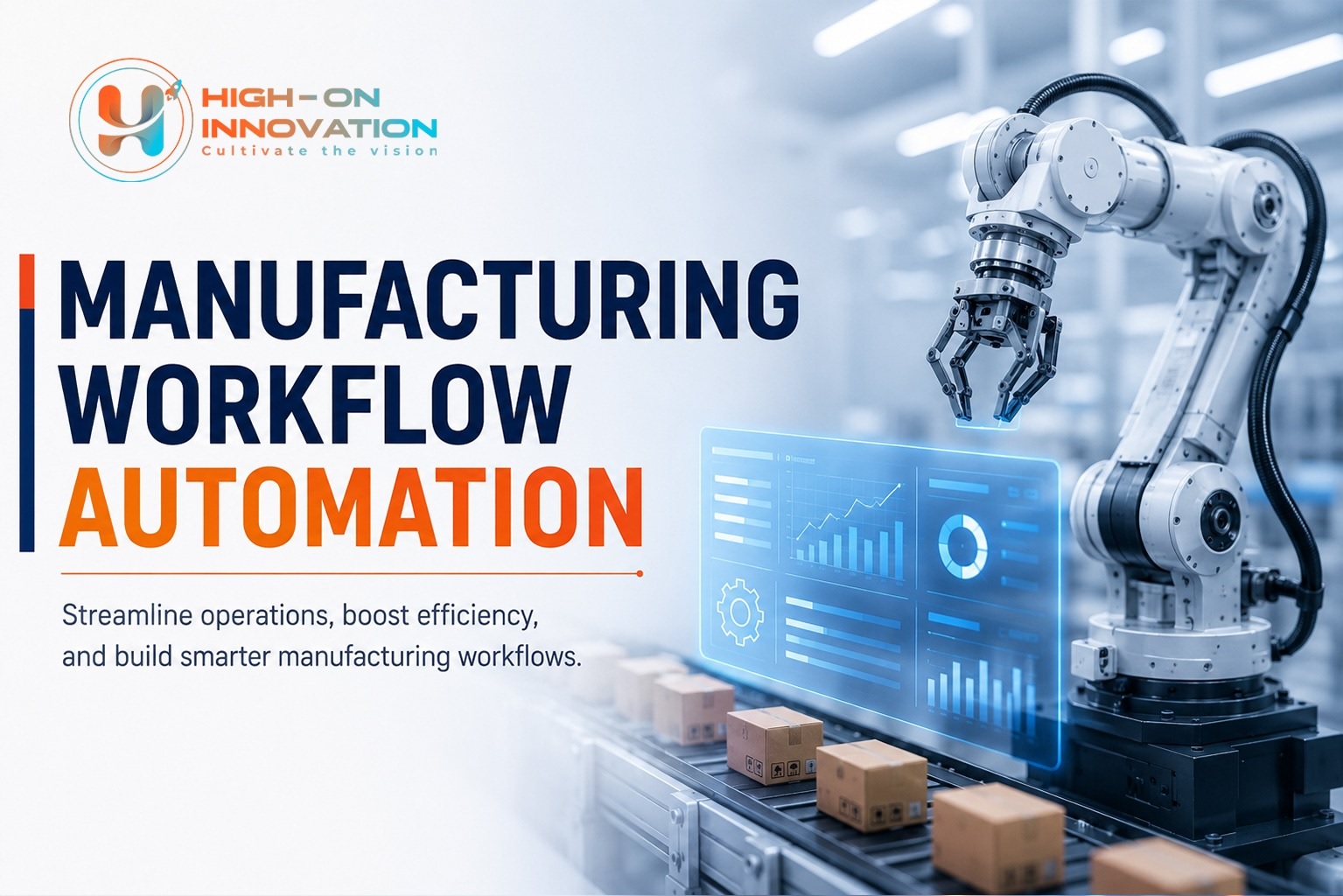
Manufacturing businesses rely on hundreds of workflows every day. A customer submits an order, the sales team prepares a quotation, procurement orders raw materials, production schedules work, quality teams perform inspections, finance generates invoices, and logistics coordinates delivery.
When these workflows depend on emails, spreadsheets, paper forms, or manual approvals, delays become inevitable. Information gets lost, approvals take longer than expected, duplicate work increases, and operational efficiency suffers.
Manufacturing workflow automation solves these challenges by connecting people, departments, and business systems through intelligent digital workflows. Instead of manually moving information from one person or department to another, automated workflows ensure that tasks, approvals, notifications, and documents are routed instantly to the right people at the right time.
Whether you're a manufacturing startup, an SME, a growing enterprise, or a global manufacturer, workflow automation helps eliminate bottlenecks, improve collaboration, and accelerate business growth.
What Is Manufacturing Workflow Automation?
Manufacturing workflow automation is the use of software, Artificial Intelligence (AI), and business process automation to automate repetitive workflows across manufacturing operations.
Instead of relying on manual coordination, workflow automation automatically manages business processes from start to finish.
Examples include:
Purchase approval workflows
Production planning approvals
Customer quotation workflows
Inventory replenishment
Supplier onboarding
Maintenance requests
Quality inspections
Engineering change approvals
Employee onboarding
Customer support requests
The objective is to reduce manual intervention while improving speed, consistency, and operational visibility.
Why Workflow Automation Matters in Manufacturing
Manufacturing operations involve multiple departments working together every day.
Without automated workflows, organizations often experience:
Slow approvals
Missed deadlines
Duplicate data entry
Manual follow-ups
Communication gaps
Inventory shortages
Delayed production
Lost documents
Poor customer response times
Workflow automation ensures that every task follows a predefined process without unnecessary delays.
How Manufacturing Workflow Automation Works
A workflow begins when a specific event occurs.
For example:
Customer Order Received
↓
Sales reviews requirements
↓
Quotation generated automatically
↓
Customer approval received
↓
Production planning initiated
↓
Inventory availability checked
↓
Procurement notified if materials are unavailable
↓
Production scheduled
↓
Quality inspection completed
↓
Invoice generated
↓
Shipment scheduled
↓
Customer notified automatically
Instead of employees manually coordinating each step, the workflow platform manages the entire process.
Benefits of Manufacturing Workflow Automation
Faster Business Processes
Automation eliminates waiting time between departments.
Approvals, notifications, and task assignments occur immediately, reducing overall process completion time.
Reduced Manual Work
Employees spend less time:
Sending emails
Following up on approvals
Updating spreadsheets
Tracking task status
Preparing routine reports
This allows teams to focus on strategic and customer-facing activities.
Improved Collaboration
Workflow automation connects:
Sales
Production
Procurement
Inventory
Warehouse
Finance
Human Resources
Management
Everyone works within the same connected process using real-time information.
Increased Process Visibility
Managers can instantly see:
Current workflow status
Pending approvals
Process delays
Completed tasks
Department workloads
This visibility improves accountability and operational control.
Better Compliance
Automated workflows create digital records of every approval, document, and process step.
This supports:
Internal audits
ISO compliance
Regulatory reporting
Quality documentation
Improved Customer Experience
Customers benefit from:
Faster quotations
Shorter order processing times
Better communication
More accurate delivery updates
Improved service consistency
Manufacturing Workflows That Should Be Automated
Production Planning
Automate:
Production scheduling
Capacity approvals
Resource allocation
Work order creation
Procurement
Automate:
Purchase requests
Supplier approvals
Purchase orders
Invoice matching
Inventory Management
Automate:
Stock monitoring
Material requests
Reorder notifications
Warehouse transfers
CRM and Sales
Automate:
Lead assignment
Follow-up reminders
Quotation approvals
Customer onboarding
Finance
Automate:
Invoice approvals
Expense approvals
Payment workflows
Financial reporting
Human Resources
Automate:
Recruitment
Employee onboarding
Leave approvals
Performance reviews
Quality Management
Automate:
Inspection requests
Non-conformance reporting
Corrective actions
Compliance documentation
Maintenance
Automate:
Maintenance requests
Technician assignment
Work completion tracking
Preventive maintenance scheduling
Technologies Behind Workflow Automation
Modern manufacturing workflows combine several technologies.
Artificial Intelligence (AI)
Provides intelligent recommendations, forecasting, and decision support.
Workflow Engines
Automatically manage approvals, notifications, escalations, and task routing.
ERP Integration
Connects production, finance, procurement, and inventory systems.
CRM Integration
Links customer information, quotations, sales opportunities, and service requests.
Business Intelligence
Provides dashboards for monitoring workflow performance and identifying improvement opportunities.
Cloud Platforms
Enable secure access to workflows from any location while supporting collaboration across multiple facilities.
Signs Your Manufacturing Business Needs Workflow Automation
Your organization may benefit from workflow automation if:
Employees rely heavily on spreadsheets.
Approvals frequently delay production.
Departments use disconnected software.
Staff spend significant time following up on tasks.
Customer inquiries receive slow responses.
Reporting is largely manual.
Managers lack visibility into operational progress.
Information is often duplicated across systems.
If these challenges sound familiar, workflow automation can deliver immediate operational improvements.
Best Practices for Successful Workflow Automation
Manufacturers achieve better results when they:
Map current workflows before automating.
Remove unnecessary process steps.
Standardize approval procedures.
Integrate ERP, CRM, and inventory systems.
Start with one high-impact workflow.
Train employees thoroughly.
Monitor workflow KPIs and optimize continuously.
Automation should simplify processes—not add complexity.
Why Custom Workflow Automation Is More Effective
Every manufacturing company has unique approval hierarchies, production methods, compliance requirements, and business rules.
Generic workflow software often requires organizations to adapt their operations.
Custom workflow automation is designed around existing processes, integrates with current business systems, and evolves as operational requirements change.
This results in:
Higher user adoption
Better process efficiency
Easier integration
Greater flexibility
Stronger long-term ROI
How HOI Helps Manufacturers Automate Workflows
At High On Innovation (HOI), we design intelligent workflow automation solutions that streamline operations across the manufacturing lifecycle.
Our expertise includes:
Manufacturing Workflow Automation
Manufacturing Process Automation
AI Automation
CRM Automation
Inventory Management Automation
Supply Chain Automation
Production Process Automation
Custom Software Development
ERP & Third-Party Integration
Digital Transformation Consulting
We analyze existing workflows, identify bottlenecks, and implement customized automation solutions that improve productivity, collaboration, and operational visibility.
Frequently Asked Questions
What is manufacturing workflow automation?
Manufacturing workflow automation uses software and AI to automate repetitive business workflows such as approvals, production planning, procurement, inventory management, CRM, finance, and quality management.
How is workflow automation different from process automation?
Workflow automation focuses on automating the movement of tasks, approvals, and information between people and departments. Process automation is broader and includes workflow automation along with system integration, AI, reporting, and end-to-end business process optimization.
Which workflows should manufacturers automate first?
Most manufacturers begin with purchase approvals, production scheduling, inventory replenishment, CRM workflows, procurement, and executive reporting because these areas deliver quick operational improvements.
Is workflow automation suitable for small manufacturers?
Yes. SMEs often achieve significant productivity gains by automating repetitive administrative workflows without requiring large enterprise software investments.
Final Thoughts
Manufacturing workflow automation is one of the fastest ways to improve operational efficiency without disrupting production. By replacing manual coordination with intelligent digital workflows, manufacturers can accelerate approvals, reduce administrative work, improve collaboration, and provide real-time visibility across every department.
The most successful organizations begin by automating high-impact workflows that affect daily operations. As these improvements deliver measurable results, additional workflows can be automated to create a connected, intelligent manufacturing environment that supports long-term growth and continuous improvement.
For manufacturers planning a digital transformation, workflow automation is not just an operational upgrade—it is a strategic investment that enables faster decisions, stronger customer service, lower operating costs, and a more agile business.
Bhuwan Vohra is the Co-Founder of High-On Innovation and oversees technology operations, administrative management, infrastructure planning, and resource optimization. He plays a key role in building scalable technology frameworks and ensuring efficient delivery of digital solutions across projects. His expertise includes cloud infrastructure, technology management, system architecture, operational efficiency, resource planning, and enterprise technology implementation.
Comments
Loading comments…
Latest Market Trends

Sep 9, 2026
MVP Development Cost for Australian Businesses in 2026
A simple customer portal, booking application, SaaS dashboard, marketplace, AI-powered platform, fintech product, healthcare application, or enterprise workflow system can all be described as an "MVP", but their development requirements can be dramatically different.

Sep 3, 2026
How to Choose an MVP Development Company for Your Startup
Choosing the right MVP development company can have a major impact on your startup's first product launch. The right development partner does more than write code. They help translate your business idea into a focused product, identify technical risks, prioritize features, and create an MVP that can be tested with real users.

Sep 8, 2026
MVP Development Cost for Canadian Businesses in 2026: Complete Guide to Pricing, Features and Process
Discover MVP development cost Canada in 2026, including startup MVP cost, development factors, timelines, features, technology, compliance, and how to choose the right MVP development company.
Popular Post
MVP Development Cost for Australian Businesses in 2026
A simple customer portal, booking application, SaaS dashboard, marketplace, AI-powered platform, fintech product, healthcare application, or enterprise workflow system can all be described as an "MVP", but their development requirements can be dramatically different.
How to Choose an MVP Development Company for Your Startup
Choosing the right MVP development company can have a major impact on your startup's first product launch. The right development partner does more than write code. They help translate your business idea into a focused product, identify technical risks, prioritize features, and create an MVP that can be tested with real users.
MVP Development Cost for Canadian Businesses in 2026: Complete Guide to Pricing, Features and Process
Discover MVP development cost Canada in 2026, including startup MVP cost, development factors, timelines, features, technology, compliance, and how to choose the right MVP development company.
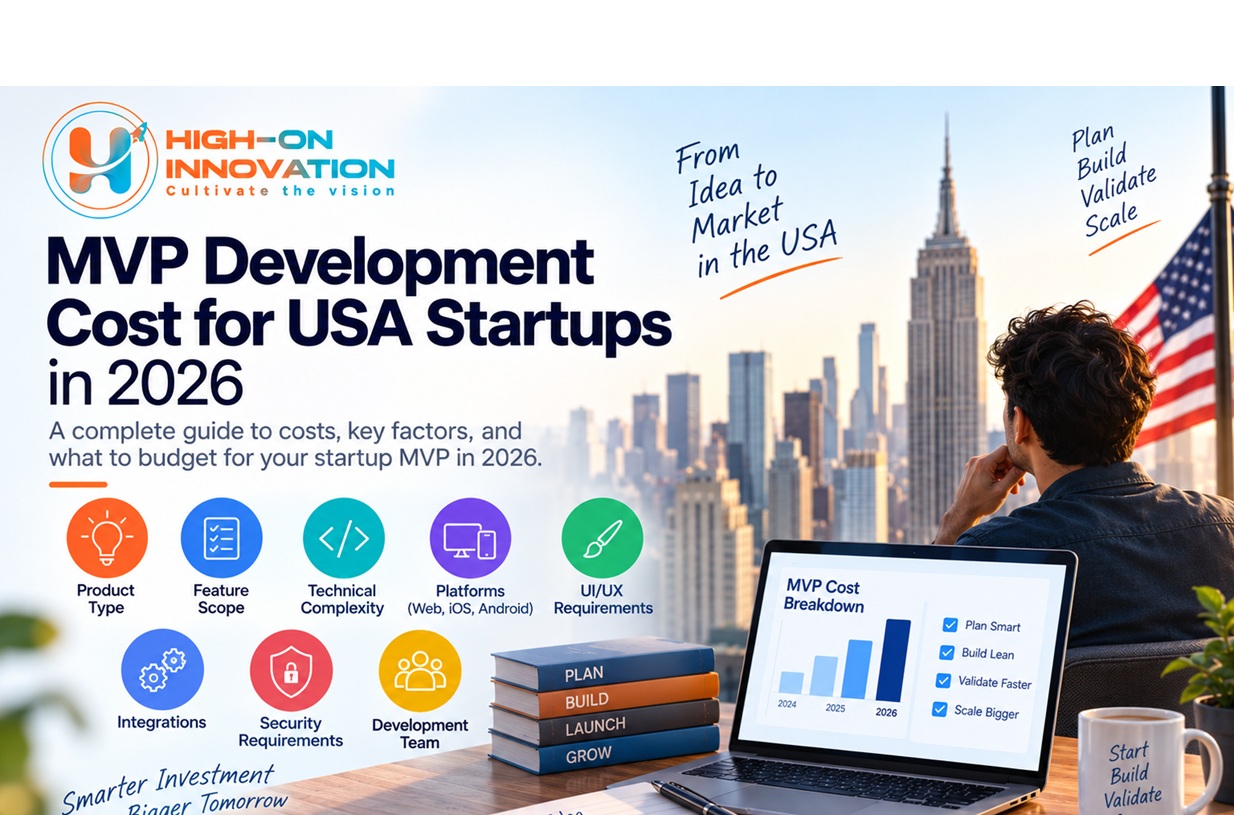
MVP Development Cost for USA Startups in 2026
An MVP, or Minimum Viable Product, gives founders a way to turn an idea into a usable product, launch it with real users, collect feedback, and understand whether the market actually wants the solution.