Patient Communication Automation: The Complete Guide for Hospitals & Clinics
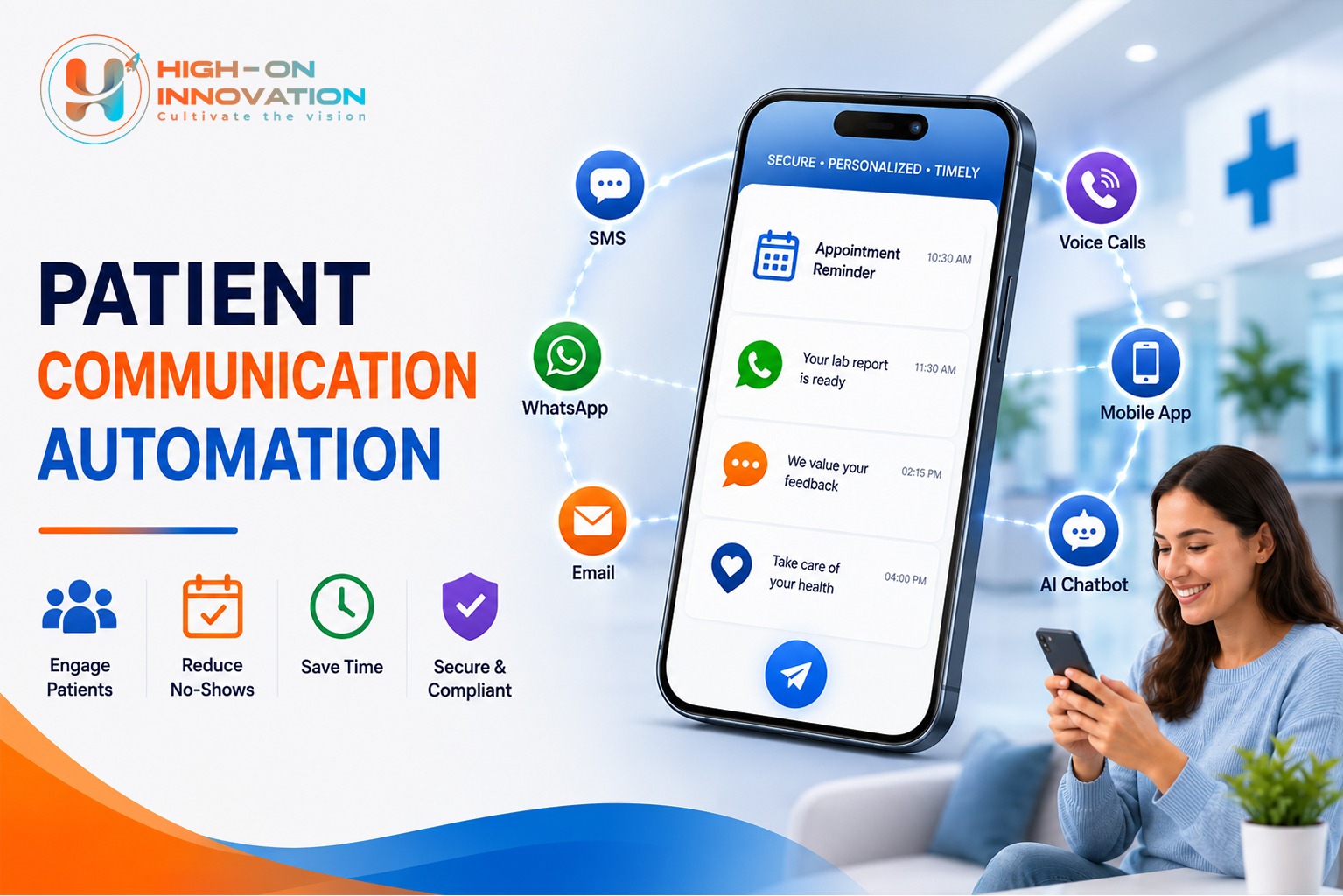
Communication is one of the most important factors influencing the patient experience. From booking an appointment to post-treatment follow-ups, every interaction shapes how patients perceive your healthcare organization.
Yet many hospitals and clinics still rely on manual phone calls, spreadsheets, emails, or disconnected communication tools to engage with patients. As patient volumes grow, these traditional methods become difficult to manage, resulting in missed follow-ups, appointment no-shows, delayed responses, and increased administrative workloads.
Today's patients expect healthcare providers to communicate the same way modern businesses do—quickly, consistently, and through the channels they use every day.
This is where Patient Communication Automation transforms healthcare operations.
By combining Artificial Intelligence (AI), workflow automation, CRM integration, and omnichannel messaging, healthcare organizations can automate routine patient interactions while delivering a more personalized experience.
Whether you're managing a private clinic, a hospital, a diagnostic laboratory, a dental practice, or an IVF center, patient communication automation helps strengthen patient relationships, improve operational efficiency, and increase patient satisfaction.
In this guide, you'll learn:
What patient communication automation is
Why healthcare organizations are adopting it
The biggest communication challenges it solves
Fifteen real-world automation use cases
How AI improves patient engagement
Best practices for implementation
What is Patient Communication Automation?
Patient communication automation is the use of AI, workflow automation, and digital communication platforms to automatically send personalized messages, reminders, notifications, and updates throughout the patient's healthcare journey.
Instead of relying on staff to manually contact every patient, automated systems deliver the right message to the right person at the right time.
These communications may include:
Appointment confirmations
Appointment reminders
Insurance updates
Laboratory notifications
Prescription reminders
Follow-up care instructions
Health education
Feedback requests
Billing notifications
Automation ensures consistent communication while reducing administrative effort.
AI Makes Communication Smarter
Traditional communication systems send the same message to every patient.
AI goes much further.
It can:
Personalize messages
Choose the best communication channel
Predict the best time to send reminders
Trigger communication based on patient actions
Escalate conversations when human support is needed
Analyze engagement patterns
Instead of sending generic reminders, AI creates relevant and timely patient interactions.
Omnichannel Patient Communication
Modern patients communicate through multiple channels.
A comprehensive communication automation system supports:
SMS
WhatsApp
Email
Voice calls
Mobile apps
Patient portals
AI chatbots
Patients can receive information through their preferred communication channel, improving engagement and response rates.
CRM Integration
Patient communication becomes significantly more effective when integrated with a Healthcare CRM.
CRM integration allows organizations to:
Personalize messages
Track communication history
Automate follow-ups
Segment patients
Launch targeted health campaigns
Monitor patient engagement
Every interaction becomes part of a complete patient journey rather than isolated conversations.
Common Communication Challenges in Healthcare
Healthcare organizations communicate with hundreds—or even thousands—of patients every day.
Without automation, maintaining timely and consistent communication becomes increasingly difficult.
1. Appointment No-Shows
Missed appointments reduce physician productivity, delay patient care, and directly impact revenue.
Many patients simply forget their appointments.
How Automation Helps
AI automatically sends reminders before appointments and allows patients to confirm, cancel, or reschedule without calling the clinic.
2. Missed Follow-Ups
Patients often require follow-up consultations, medication adjustments, or post-treatment monitoring.
Manual follow-up processes are inconsistent and time-consuming.
How Automation Helps
Automated workflows schedule follow-up messages based on treatment plans, ensuring patients remain engaged throughout their care journey.
3. Low Patient Engagement
Patients expect proactive communication—not only when they're sick, but throughout their healthcare journey.
Limited communication often results in weaker patient relationships.
How Automation Helps
Healthcare providers can automatically deliver preventive care reminders, wellness campaigns, educational content, and personalized health updates.
4. Reception Team Overload
Reception staff spend significant time answering routine questions regarding appointments, clinic hours, doctor availability, and reports.
High call volumes reduce productivity and increase patient waiting times.
How Automation Helps
AI chatbots, voice assistants, and automated messaging systems answer common questions instantly while allowing staff to focus on more complex patient needs.
5. Poor Online Reputation
Many satisfied patients never leave online reviews unless prompted.
Without structured review requests, clinics miss opportunities to strengthen their online presence.
How Automation Helps
Automated review requests encourage patients to share feedback after consultations, helping healthcare organizations build credibility and attract new patients.
6. Medication Non-Adherence
Patients sometimes forget to take medications or fail to follow treatment instructions.
This can negatively impact health outcomes.
How Automation Helps
AI automatically sends medication reminders, treatment guidance, and educational messages based on the patient's care plan.
7. Weak Patient Retention
Acquiring a new patient is often more expensive than retaining an existing one.
Without ongoing communication, patients may choose another provider for future care.
How Automation Helps
AI maintains long-term relationships through recall campaigns, wellness reminders, preventive care communication, and personalized follow-ups.
15 Patient Communication Automations Every Healthcare Organization Should Use
Patient communication automation supports the entire healthcare journey—from the first inquiry to long-term patient engagement.
Below are the first seven high-impact communication automations already delivering measurable results.
1. Appointment Reminder Automation
Appointment reminders remain one of the most valuable healthcare automations.
AI automatically sends reminders before scheduled appointments through:
SMS
WhatsApp
Email
Voice calls
Mobile notifications
Patients can confirm, reschedule, or cancel appointments with minimal effort.
Benefits
Reduced no-show rates
Better appointment utilization
Improved patient convenience
Lower administrative workload
2. WhatsApp Patient Communication
WhatsApp has become one of the most widely used communication platforms worldwide.
Healthcare organizations use WhatsApp automation for:
Appointment confirmations
Consultation reminders
Laboratory report notifications
Prescription updates
Follow-up communication
Patient education
Benefits
High message open rates
Faster patient responses
Reduced phone calls
Improved patient engagement
3. SMS Automation
SMS remains one of the fastest ways to reach patients.
Automated SMS campaigns include:
Appointment reminders
Health alerts
Vaccination reminders
Payment notifications
Follow-up messages
Benefits
Immediate delivery
High visibility
Better appointment attendance
Improved communication consistency
4. Email Automation
Email continues to be valuable for sharing detailed healthcare information.
AI automates:
Welcome emails
Consultation summaries
Preventive care campaigns
Health newsletters
Billing information
Educational resources
Benefits
Personalized communication
Improved patient education
Stronger patient relationships
Better engagement
5. AI Voice Communication
AI-powered voice assistants provide automated phone communication for routine patient interactions.
Voice AI can:
Confirm appointments
Send reminders
Answer common questions
Route calls
Collect patient information
Benefits
24/7 availability
Lower reception workload
Faster patient support
Improved accessibility
6. AI Chatbots
Healthcare chatbots provide instant support through websites, mobile apps, and messaging platforms.
Chatbots help patients:
Book appointments
Find doctors
Learn clinic hours
Ask common questions
Request callbacks
Navigate healthcare services
Benefits
Round-the-clock support
Faster response times
Reduced administrative effort
Higher patient satisfaction
7. Laboratory Result Notifications
Waiting for laboratory reports often creates anxiety for patients.
AI automatically notifies patients when reports become available and provides instructions for accessing results securely.
Communication may include:
Test completion notifications
Report availability
Follow-up appointment recommendations
Next-step guidance
Benefits
Faster patient communication
Reduced inbound inquiries
Better patient experience
Improved workflow efficiency
8. Prescription & Medication Reminder Automation
One of the biggest challenges in healthcare is ensuring patients follow their prescribed treatment plans. Missed medications can delay recovery, increase complications, and result in additional consultations or hospital visits.
AI-powered medication reminder systems automatically send personalized reminders based on each patient's prescription schedule.
Automation Can Include
Daily medication reminders
Prescription refill notifications
Dosage instructions
Treatment completion reminders
Prescription renewal alerts
Benefits
Improved medication adherence
Better treatment outcomes
Higher patient satisfaction
Reduced manual follow-up by healthcare staff
9. Post-Treatment Follow-Up Automation
Patient care doesn't end when a consultation or procedure is complete.
Following up with patients helps healthcare providers monitor recovery, answer questions, and identify potential complications early.
AI automatically sends:
Recovery instructions
Follow-up appointment reminders
Wellness check-ins
Symptom monitoring questionnaires
Care plan updates
Benefits
Better continuity of care
Higher patient engagement
Reduced missed follow-ups
Improved clinical outcomes
10. Preventive Care & Wellness Campaigns
Preventive healthcare strengthens long-term patient relationships while improving community health.
AI helps healthcare organizations deliver timely reminders for:
Annual health checkups
Vaccinations
Diabetes screenings
Cancer screenings
Heart health assessments
Women's health programs
Children's immunization schedules
Benefits
Increased preventive care participation
Higher patient retention
Improved public health outcomes
Stronger patient trust
11. Patient Feedback Automation
Patient feedback provides valuable insights into service quality and operational performance.
Instead of collecting feedback manually, AI automatically requests patient opinions after consultations or treatments.
Automation includes:
Satisfaction surveys
Net Promoter Score (NPS) requests
Service quality ratings
Department-specific feedback
Improvement suggestions
Benefits
Higher survey response rates
Better understanding of patient experiences
Faster issue identification
Continuous service improvement
12. Online Review Collection
Positive online reviews play an important role in helping new patients choose a healthcare provider.
AI can automatically invite satisfied patients to leave reviews on platforms such as Google after their appointments.
Automation Workflow
Patient Visit Completed
↓
Feedback Request
↓
Positive Experience Detected
↓
Review Invitation Sent
Benefits
Increased online visibility
Improved clinic reputation
Greater patient trust
Higher conversion from local searches
13. Referral Campaign Automation
Satisfied patients often recommend trusted healthcare providers to family and friends.
AI helps healthcare organizations encourage referrals through personalized communication.
Automation can include:
Referral invitations
Family health campaigns
Wellness events
Community programs
Referral reward notifications
Benefits
More patient referrals
Increased brand awareness
Lower patient acquisition costs
Stronger patient relationships
14. CRM-Based Patient Engagement
Healthcare CRM systems become significantly more powerful when combined with AI.
Instead of sending generic campaigns, AI personalizes communication based on patient history, preferences, treatments, and engagement behavior.
Examples include:
Personalized wellness tips
Recall reminders
Birthday greetings
Preventive care campaigns
Re-engagement messages
Loyalty communications
Benefits
Better patient retention
Personalized healthcare experiences
Stronger patient relationships
Increased repeat visits
15. Patient Education Automation
Educated patients are more likely to follow treatment plans and make informed healthcare decisions.
AI helps healthcare providers deliver educational content automatically throughout the patient journey.
Topics may include:
Treatment preparation
Post-procedure care
Lifestyle recommendations
Nutrition advice
Disease management
Preventive healthcare
Frequently asked questions
Benefits
Better treatment adherence
Increased patient confidence
Improved healthcare outcomes
Reduced repetitive patient inquiries
Patient education transforms communication from transactional to value-driven.
Benefits of Patient Communication Automation
Healthcare organizations that automate patient communication experience measurable improvements across clinical, operational, and financial performance.
Higher Patient Engagement
Patients receive timely, relevant, and personalized communication throughout their healthcare journey.
Consistent engagement strengthens trust and improves long-term relationships.
Lower Appointment No-Shows
Automated reminders significantly reduce missed appointments, helping providers optimize physician schedules and protect revenue.
Better Patient Experience
Patients appreciate faster responses, proactive communication, and convenient digital interactions.
A better experience leads to higher satisfaction and increased loyalty.
Reduced Administrative Workload
Reception teams and administrative staff spend less time making reminder calls, responding to repetitive questions, and managing follow-ups manually.
Automation allows staff to focus on higher-value patient interactions.
Improved Patient Retention
Ongoing communication through preventive care reminders, wellness campaigns, and personalized follow-ups encourages patients to return for future consultations and services.
Stronger Online Reputation
Automated feedback and review collection help healthcare organizations build positive online reputations, improving credibility and attracting new patients.
Better Treatment Adherence
Medication reminders, post-treatment instructions, and educational content encourage patients to follow care plans more consistently, leading to better health outcomes.
Enhanced Compliance
Automated communication creates consistent records of patient notifications, reminders, and interactions, supporting documentation and operational accountability.
Why Healthcare Organizations Choose HOI
Effective patient communication requires more than sending automated messages. It requires understanding patient journeys, integrating communication with existing systems, and delivering the right information at the right time.
At High on Innovation (HOI), we help healthcare organizations build intelligent patient communication ecosystems that improve engagement while reducing administrative effort.
AI-Powered Communication
We design communication workflows that automatically deliver personalized messages based on appointments, treatments, patient behavior, and operational events.
WhatsApp Automation
HOI integrates WhatsApp automation to support:
Appointment confirmations
Follow-up reminders
Lab result notifications
Billing updates
Patient education
Customer support
This enables healthcare providers to communicate through one of the world's most widely used messaging platforms.
CRM Automation
Our CRM solutions ensure every patient interaction contributes to a complete relationship history.
We automate:
Patient segmentation
Follow-up campaigns
Recall reminders
Referral management
Wellness communication
Patient lifecycle management
Omnichannel Communication
Patients communicate in different ways.
HOI helps healthcare organizations deliver consistent experiences across:
WhatsApp
SMS
Email
Voice calls
AI chatbots
Patient portals
This ensures patients receive important information through their preferred communication channel.
Workflow Integration
Communication becomes more effective when integrated into operational workflows.
We connect patient messaging with:
Appointment scheduling
Electronic Medical Records (EMR)
Hospital Information Systems (HIS)
Clinic Management Software
Billing systems
CRM platforms
This creates a connected communication ecosystem where information flows automatically.
Customized Healthcare Automation
Every healthcare organization has unique communication requirements.
Whether you're a hospital, clinic, dental practice, diagnostic center, IVF center, or home healthcare provider, we develop automation strategies tailored to your patient journey and operational goals.
Frequently Asked Questions
1. What is patient communication automation?
Patient communication automation uses AI and workflow automation to automatically send personalized messages, reminders, notifications, and updates throughout the patient's healthcare journey.
2. Can communication automation reduce appointment no-shows?
Yes. Automated appointment reminders through SMS, WhatsApp, email, or voice calls help patients remember appointments and provide convenient options for confirming or rescheduling.
3. Which communication channels should healthcare providers use?
A multi-channel approach works best. Most healthcare organizations use a combination of WhatsApp, SMS, email, voice calls, patient portals, and AI chatbots to reach patients effectively.
4. Is patient communication automation suitable for small clinics?
Absolutely. Small clinics often benefit the most because automation reduces administrative workloads without requiring additional staff.
5. Can AI personalize patient communication?
Yes. AI analyzes patient information, communication preferences, appointment history, and engagement patterns to deliver personalized messages that are more relevant and effective.
Conclusion
Patient communication is no longer limited to appointment reminders or occasional follow-up calls. It has become an essential part of delivering high-quality healthcare experiences.
AI-powered communication automation enables healthcare organizations to engage patients consistently, improve operational efficiency, strengthen relationships, and support better clinical outcomes.
From appointment confirmations and medication reminders to wellness campaigns, review collection, and personalized education, communication automation helps healthcare providers build long-term trust while reducing administrative workloads.
Organizations that modernize patient communication today are creating more responsive, patient-centered healthcare experiences that support sustainable growth.
Ready to Transform Patient Communication?
Your patients expect timely, convenient, and personalized communication at every stage of their healthcare journey.
HOI helps healthcare organizations automate communication using AI, CRM, WhatsApp, SMS, email, voice assistants, and intelligent workflows—creating a seamless experience for both patients and staff.
Book a Free Patient Communication Automation Consultation
Discover how HOI can help you:
Reduce appointment no-shows
Improve patient engagement
Automate follow-ups
Strengthen patient retention
Increase online reviews
Reduce administrative workload
Deliver a modern healthcare communication experience
Smarter communication leads to stronger patient relationships. Let HOI help you build a connected, AI-powered patient engagement strategy.
Harsit Gupta is the Founder of High-On Innovation and is responsible for shaping the company's vision, business model, growth strategy, and market expansion initiatives. He specializes in identifying emerging opportunities, driving innovation, and helping businesses navigate digital transformation in a rapidly evolving technology landscape. His expertise includes business strategy, digital innovation, startup growth, market positioning, and future-focused technology adoption.
Comments
Loading comments…
Latest Market Trends

Sep 9, 2026
MVP Development Cost for Australian Businesses in 2026
A simple customer portal, booking application, SaaS dashboard, marketplace, AI-powered platform, fintech product, healthcare application, or enterprise workflow system can all be described as an "MVP", but their development requirements can be dramatically different.

Sep 3, 2026
How to Choose an MVP Development Company for Your Startup
Choosing the right MVP development company can have a major impact on your startup's first product launch. The right development partner does more than write code. They help translate your business idea into a focused product, identify technical risks, prioritize features, and create an MVP that can be tested with real users.

Sep 8, 2026
MVP Development Cost for Canadian Businesses in 2026: Complete Guide to Pricing, Features and Process
Discover MVP development cost Canada in 2026, including startup MVP cost, development factors, timelines, features, technology, compliance, and how to choose the right MVP development company.
Popular Post
MVP Development Cost for Australian Businesses in 2026
A simple customer portal, booking application, SaaS dashboard, marketplace, AI-powered platform, fintech product, healthcare application, or enterprise workflow system can all be described as an "MVP", but their development requirements can be dramatically different.
How to Choose an MVP Development Company for Your Startup
Choosing the right MVP development company can have a major impact on your startup's first product launch. The right development partner does more than write code. They help translate your business idea into a focused product, identify technical risks, prioritize features, and create an MVP that can be tested with real users.
MVP Development Cost for Canadian Businesses in 2026: Complete Guide to Pricing, Features and Process
Discover MVP development cost Canada in 2026, including startup MVP cost, development factors, timelines, features, technology, compliance, and how to choose the right MVP development company.
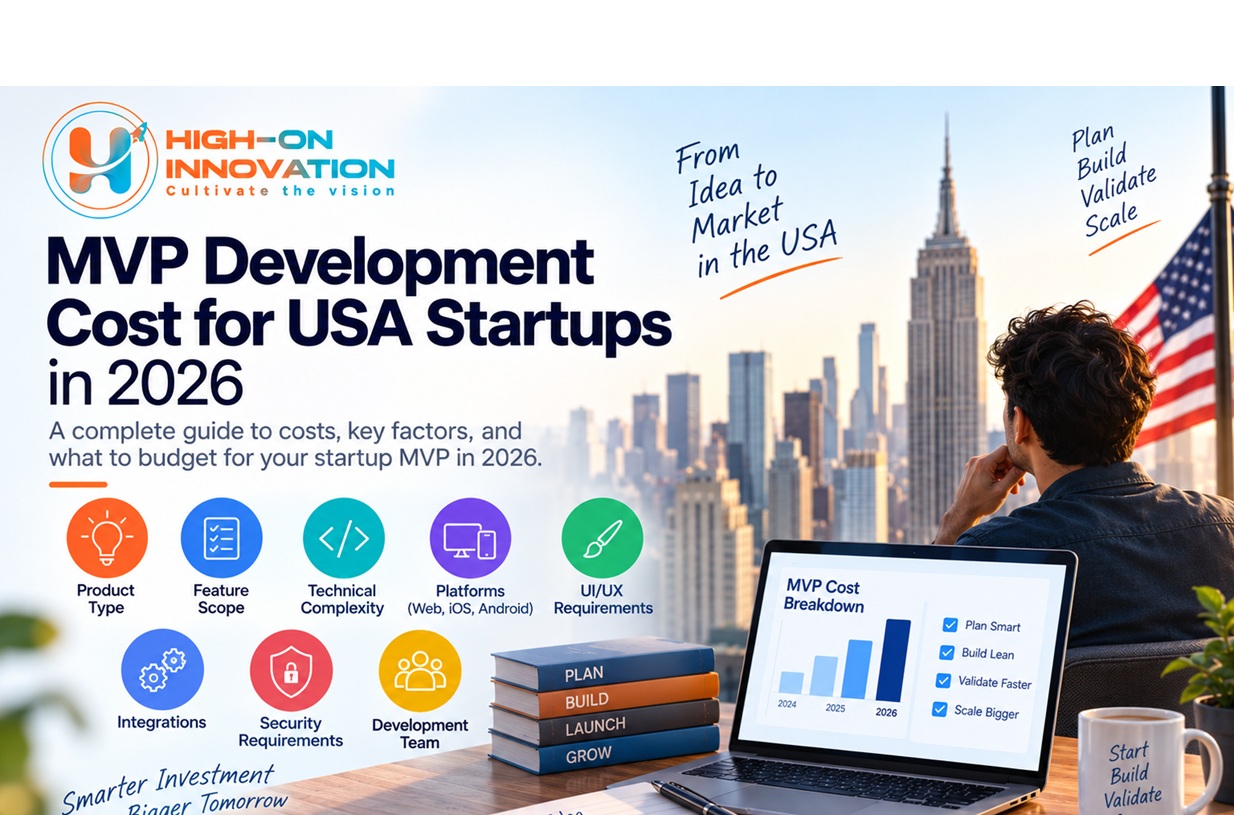
MVP Development Cost for USA Startups in 2026
An MVP, or Minimum Viable Product, gives founders a way to turn an idea into a usable product, launch it with real users, collect feedback, and understand whether the market actually wants the solution.