Process Automation Implementation in Manufacturing: A Step-by-Step Guide to Successful Digital Transformation
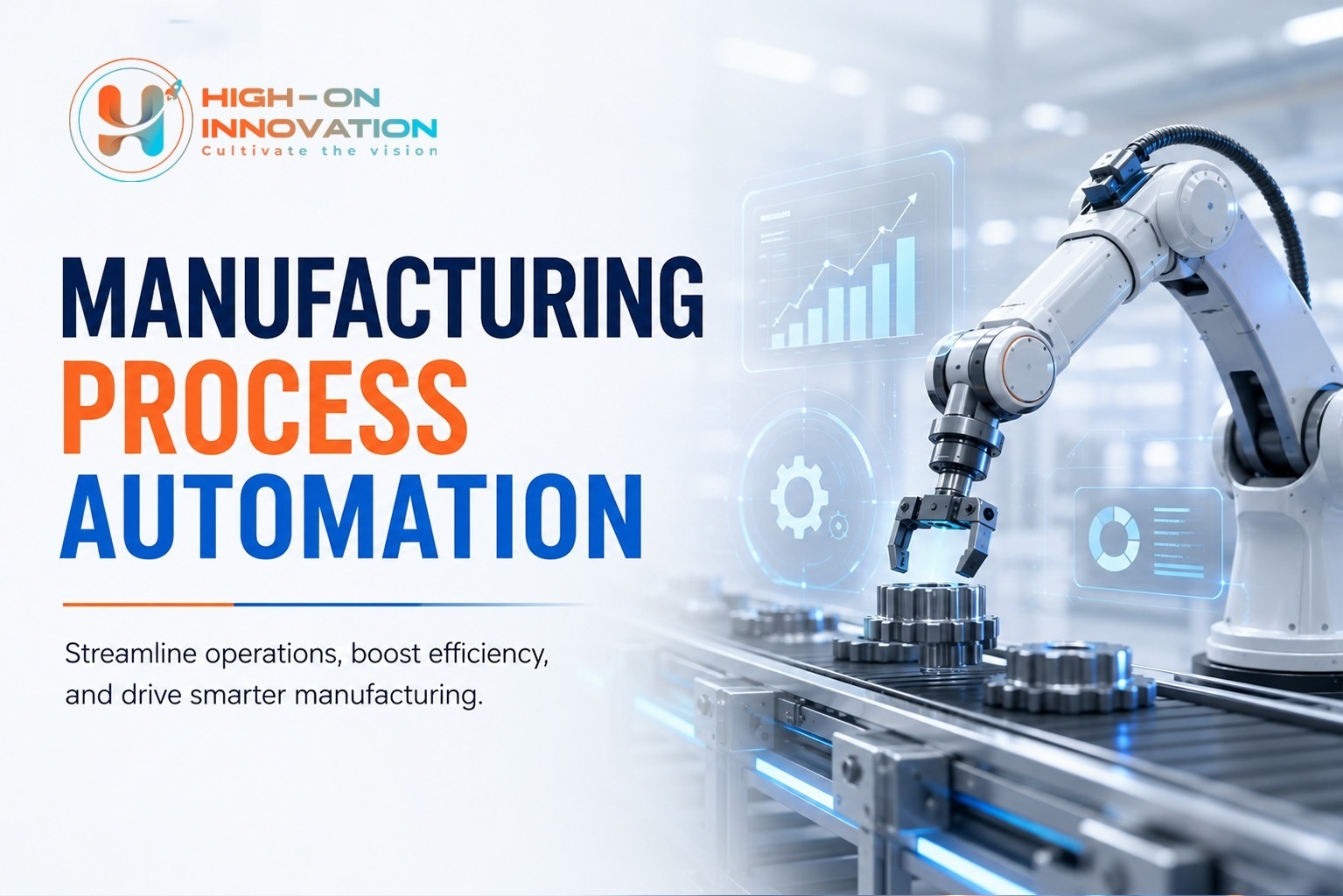
Manufacturing companies understand the value of automation. They want to reduce manual work, improve operational efficiency, optimize production planning, strengthen supply chains, and increase profitability. However, implementing automation successfully requires more than purchasing software or introducing new technology.
Many automation projects fail because organizations focus on tools before understanding their business processes.
Successful process automation starts with identifying operational challenges, standardizing workflows, integrating existing systems, and implementing automation in manageable phases.
Whether you're a manufacturing startup, an SME, a growing mid-sized business, or a large enterprise, this guide will help you plan, implement, and scale manufacturing process automation with confidence.
What Is Process Automation Implementation?
Process automation implementation is the structured approach to identifying, designing, deploying, and continuously improving automated business processes across a manufacturing organization.
The goal is not simply to automate tasks but to improve the way the business operates.
Implementation typically includes:
Business process analysis
Workflow redesign
AI and automation technology selection
Software integration
Employee training
Performance monitoring
Continuous optimization
When executed properly, process automation creates faster, more consistent, and more scalable operations.
Why Manufacturers Implement Process Automation
Modern manufacturers face several operational challenges:
Repetitive manual work
Slow approval cycles
Spreadsheet-based operations
Inventory inaccuracies
Communication gaps between departments
Disconnected software systems
Increasing labor costs
Difficulty scaling operations
Limited operational visibility
Automation addresses these issues by connecting people, systems, and processes through intelligent workflows.
A 10-Step Process Automation Implementation Roadmap
Step 1: Assess Your Current Processes
Before implementing automation, understand how work currently flows through your organization.
Evaluate processes such as:
Production planning
Procurement
Inventory management
CRM and sales
Finance
Human resources
Quality management
Warehouse operations
Document every step, identify bottlenecks, and highlight repetitive tasks that consume valuable time.
Step 2: Define Clear Business Goals
Automation should solve business problems, not simply introduce new technology.
Common objectives include:
Reduce operational costs
Improve production efficiency
Accelerate approvals
Increase inventory accuracy
Strengthen customer service
Improve reporting
Enhance decision-making
Support business growth
Establish measurable KPIs before implementation begins.
Step 3: Prioritize High-Impact Processes
Attempting to automate everything at once often increases project complexity and risk.
Instead, focus on processes that are:
Repetitive
Time-consuming
Error-prone
High-volume
Critical to customer satisfaction
Many manufacturers begin with:
Purchase approvals
Production scheduling
CRM workflows
Inventory management
Procurement
Executive reporting
Quick wins build organizational confidence and demonstrate ROI.
Step 4: Standardize Workflows
Automation performs best when workflows are consistent.
Review existing procedures and eliminate:
Duplicate approvals
Unnecessary manual steps
Redundant documentation
Inconsistent process variations
Simplifying workflows before automation leads to better outcomes.
Step 5: Select the Right Technology
Manufacturers should evaluate solutions based on business requirements rather than features alone.
Important considerations include:
AI capabilities
Workflow automation
ERP integration
CRM integration
Inventory management
Reporting and analytics
Scalability
Security
Ease of use
The right platform should integrate seamlessly with your existing technology ecosystem.
Step 6: Integrate Existing Systems
Most manufacturers already use multiple software applications.
Typical integrations include:
ERP
CRM
Inventory systems
Accounting software
Warehouse management
HR systems
Production software
Integration eliminates duplicate data entry and creates a single source of operational information.
Step 7: Prepare and Clean Your Data
AI and automation depend on accurate information.
Before implementation:
Remove duplicate records
Correct inconsistent data
Standardize naming conventions
Validate inventory information
Update customer and supplier records
High-quality data improves automation accuracy and reporting reliability.
Step 8: Train Employees
Technology alone does not guarantee success.
Employees should understand:
Why automation is being introduced
How workflows will change
How the system supports their work
New responsibilities and best practices
Early involvement and practical training encourage adoption while reducing resistance to change.
Step 9: Launch in Phases
Rather than deploying automation across every department simultaneously, begin with one business area.
Examples include:
Purchase approvals
CRM automation
Inventory management
Production planning
Executive dashboards
After measuring results, expand automation to additional departments.
Step 10: Measure, Improve, and Scale
Automation should evolve continuously.
Monitor KPIs such as:
Production efficiency
Workflow completion time
Inventory accuracy
Customer response time
Cost savings
Employee productivity
Order processing time
On-time delivery
Regular reviews help identify opportunities for further optimization.
Common Challenges During Implementation
Even well-planned automation initiatives can face obstacles.
Employee Resistance
Employees may worry that automation will replace their roles.
Best Practice: Communicate that automation removes repetitive work while allowing employees to focus on higher-value activities.
Poor Data Quality
Outdated or inconsistent data reduces automation effectiveness.
Best Practice: Conduct a data cleanup before implementation.
Legacy Software
Older systems may not integrate easily with modern automation platforms.
Best Practice: Use APIs, middleware, or phased modernization strategies.
Trying to Automate Everything
Large projects often become difficult to manage.
Best Practice: Focus on one high-impact process before expanding.
Lack of Executive Support
Automation initiatives require leadership commitment.
Best Practice: Define clear business objectives and regularly communicate measurable results to stakeholders.
Best Practices for Successful Implementation
Manufacturers consistently achieve better results when they:
Start with business goals instead of technology.
Map current processes before redesigning them.
Focus on measurable outcomes.
Standardize workflows.
Integrate existing systems.
Train users throughout the project.
Measure ROI continuously.
Expand automation gradually.
These practices reduce implementation risks while increasing long-term success.
Measuring Success
Automation projects should be evaluated using clear performance indicators.
Important metrics include:
Production output
Process cycle time
Inventory accuracy
Procurement turnaround time
Customer response time
Workflow completion rate
Operational costs
Employee productivity
Defect rate
Customer satisfaction
Tracking these metrics ensures automation initiatives remain aligned with business objectives.
How HOI Implements Manufacturing Process Automation
At High On Innovation (HOI), we believe successful automation begins with understanding your business—not selling software.
Our implementation approach includes:
1. Business Process Assessment
We evaluate existing workflows, identify bottlenecks, and prioritize high-impact automation opportunities.
2. Solution Design
We design automation workflows tailored to your manufacturing operations, ensuring they align with your business objectives.
3. System Integration
We integrate AI automation with your existing ERP, CRM, inventory, accounting, and production systems to create a connected digital ecosystem.
4. Deployment
Automation is implemented in carefully planned phases to minimize disruption and maximize early business value.
5. Training and Adoption
We provide user training, documentation, and ongoing support to ensure employees are confident using the new system.
6. Continuous Optimization
After deployment, we monitor performance, measure KPIs, and refine workflows to support continuous improvement.
Why Choose a Custom Automation Solution?
Every manufacturing company has unique workflows, approval structures, quality standards, and operational priorities.
Off-the-shelf software often requires organizations to adapt their processes.
A custom automation solution is designed around your business, integrates with your existing technology, and scales as your operations grow. This approach leads to higher adoption, greater flexibility, and stronger long-term return on investment.
Frequently Asked Questions
How long does process automation implementation take?
The timeline depends on the number of business processes, system integrations, and organizational complexity. Many manufacturers begin with a pilot project that can be delivered within a few weeks, while broader enterprise implementations are completed in phased stages over several months.
Which process should manufacturers automate first?
High-volume, repetitive processes such as production planning, purchase approvals, CRM workflows, inventory management, procurement, and executive reporting are often the best starting points because they deliver quick, measurable improvements.
Is process automation suitable for small manufacturers?
Yes. Startups and SMEs can automate critical processes without investing in large enterprise platforms. Beginning with one department allows smaller manufacturers to achieve quick wins and expand as their business grows.
Will automation replace employees?
Automation is designed to eliminate repetitive administrative work rather than replace skilled professionals. Employees can spend more time on process improvement, customer engagement, innovation, and strategic decision-making.
Final Thoughts
Implementing manufacturing process automation is a strategic initiative that can reshape how an organization operates. By automating repetitive work, connecting business systems, and providing real-time operational visibility, manufacturers can improve productivity, reduce costs, strengthen customer service, and prepare for long-term growth.
The most successful manufacturers do not attempt to automate everything at once. They identify the processes that create the greatest operational impact, implement automation in manageable phases, and continuously refine their workflows as the business evolves.
With a clear roadmap, committed leadership, and the right technology partner, process automation becomes more than a technology project—it becomes the foundation for a smarter, more agile, and future-ready manufacturing business.
Bhuwan Vohra is the Co-Founder of High-On Innovation and oversees technology operations, administrative management, infrastructure planning, and resource optimization. He plays a key role in building scalable technology frameworks and ensuring efficient delivery of digital solutions across projects. His expertise includes cloud infrastructure, technology management, system architecture, operational efficiency, resource planning, and enterprise technology implementation.
Comments
Loading comments…
Latest Market Trends

Sep 9, 2026
MVP Development Cost for Australian Businesses in 2026
A simple customer portal, booking application, SaaS dashboard, marketplace, AI-powered platform, fintech product, healthcare application, or enterprise workflow system can all be described as an "MVP", but their development requirements can be dramatically different.

Sep 3, 2026
How to Choose an MVP Development Company for Your Startup
Choosing the right MVP development company can have a major impact on your startup's first product launch. The right development partner does more than write code. They help translate your business idea into a focused product, identify technical risks, prioritize features, and create an MVP that can be tested with real users.

Sep 8, 2026
MVP Development Cost for Canadian Businesses in 2026: Complete Guide to Pricing, Features and Process
Discover MVP development cost Canada in 2026, including startup MVP cost, development factors, timelines, features, technology, compliance, and how to choose the right MVP development company.
Popular Post
MVP Development Cost for Australian Businesses in 2026
A simple customer portal, booking application, SaaS dashboard, marketplace, AI-powered platform, fintech product, healthcare application, or enterprise workflow system can all be described as an "MVP", but their development requirements can be dramatically different.
How to Choose an MVP Development Company for Your Startup
Choosing the right MVP development company can have a major impact on your startup's first product launch. The right development partner does more than write code. They help translate your business idea into a focused product, identify technical risks, prioritize features, and create an MVP that can be tested with real users.
MVP Development Cost for Canadian Businesses in 2026: Complete Guide to Pricing, Features and Process
Discover MVP development cost Canada in 2026, including startup MVP cost, development factors, timelines, features, technology, compliance, and how to choose the right MVP development company.
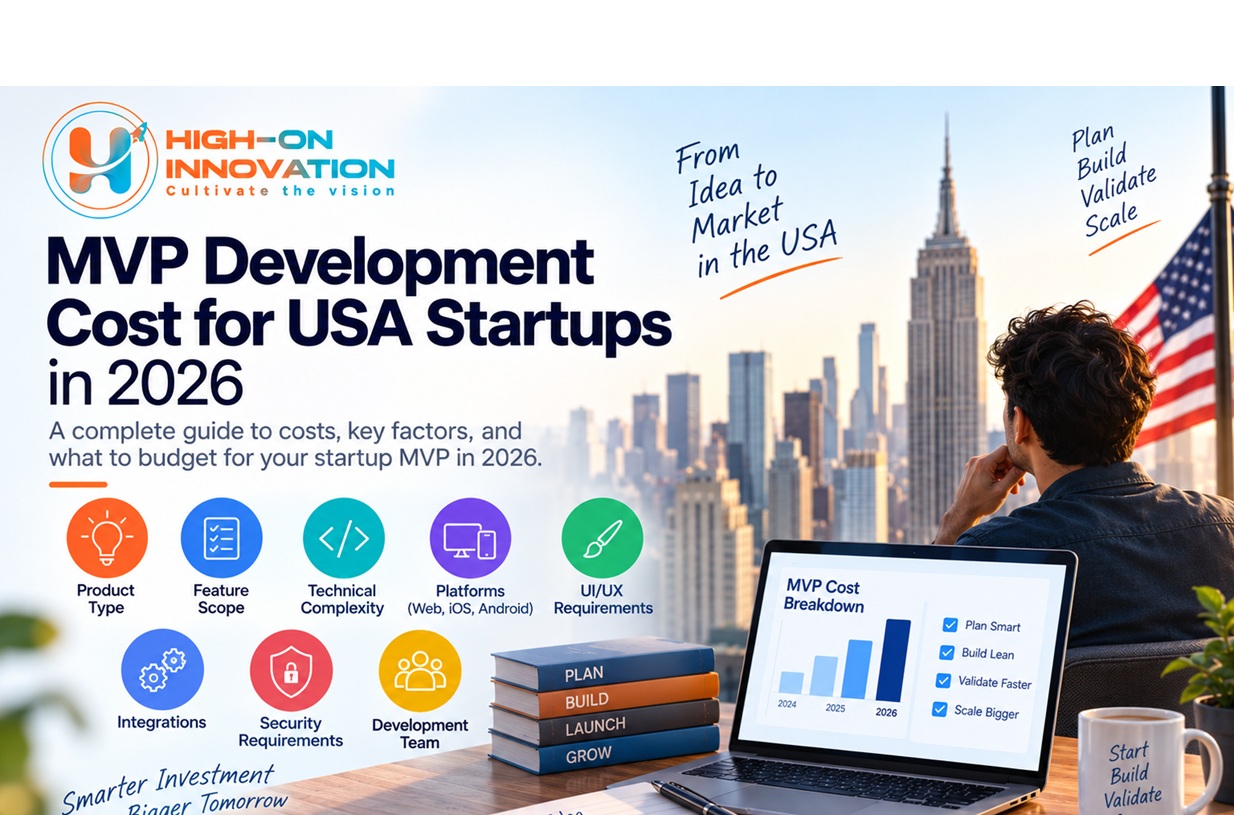
MVP Development Cost for USA Startups in 2026
An MVP, or Minimum Viable Product, gives founders a way to turn an idea into a usable product, launch it with real users, collect feedback, and understand whether the market actually wants the solution.